It took days to find one elusive female. A drone flew more than 30 hours. And five cheetahs were eventually fitted with collars – all in the name of better understanding and protecting one of KwaZulu-Natal’s most remarkable predators.
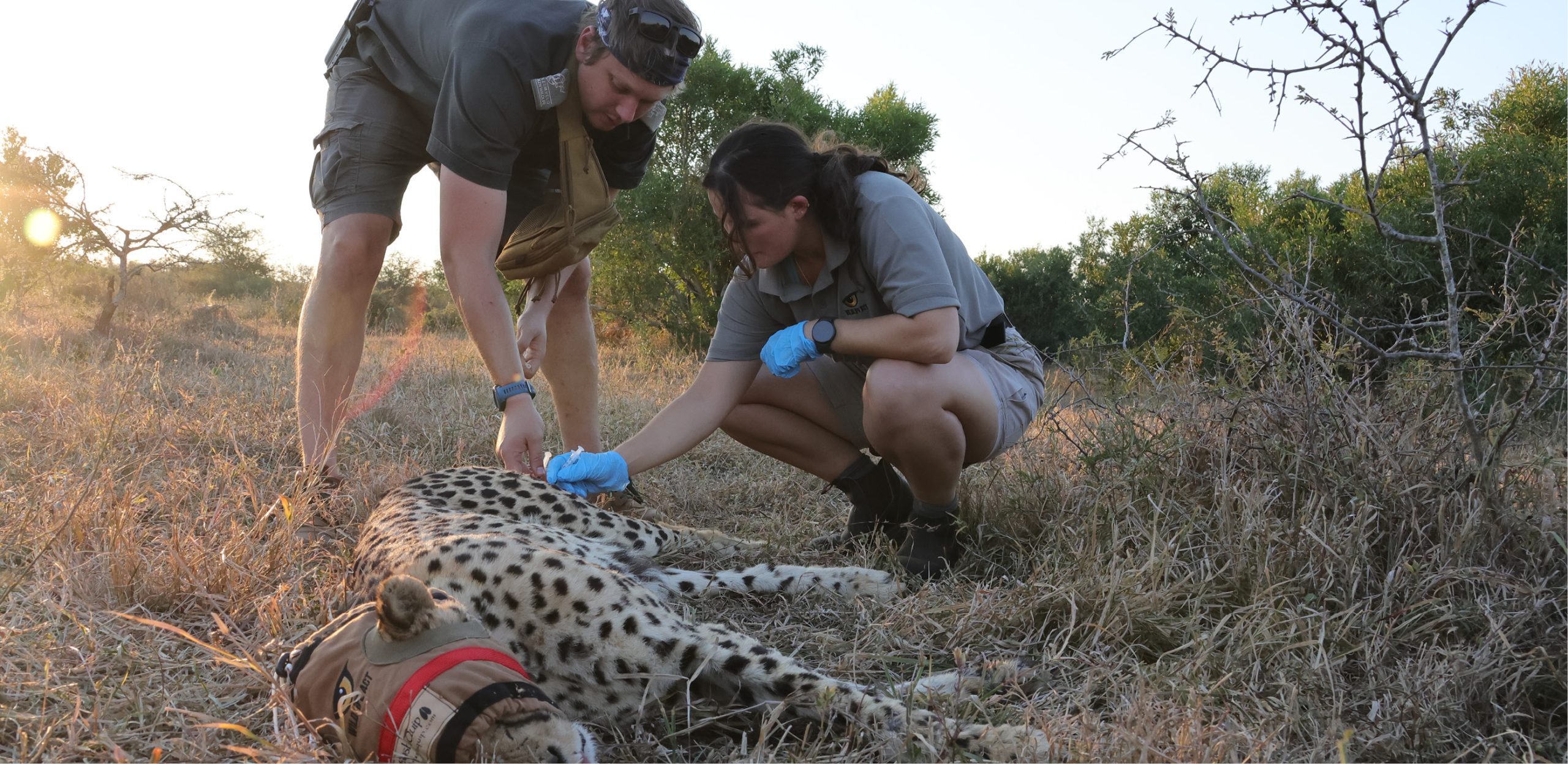
In late July, Wildlife ACT and Ezemvelo KZN Wildlife, supported by the Forever Wild Foundation, spent eight days in Hluhluwe-iMfolozi Park (HiP) carrying out a major cheetah collaring operation.
Five cheetahs were successfully fitted with collars, three for the first time. The operation builds on work that began at the end of 2025, bringing the total number of collars deployed since then to eight.
It was no simple exercise. Multiple ground teams worked alongside a drone provided by Ballito’s WildSky Foundation, while Ezemvelo KZN Wildlife provided additional support from a fixed-wing aircraft and helicopter.
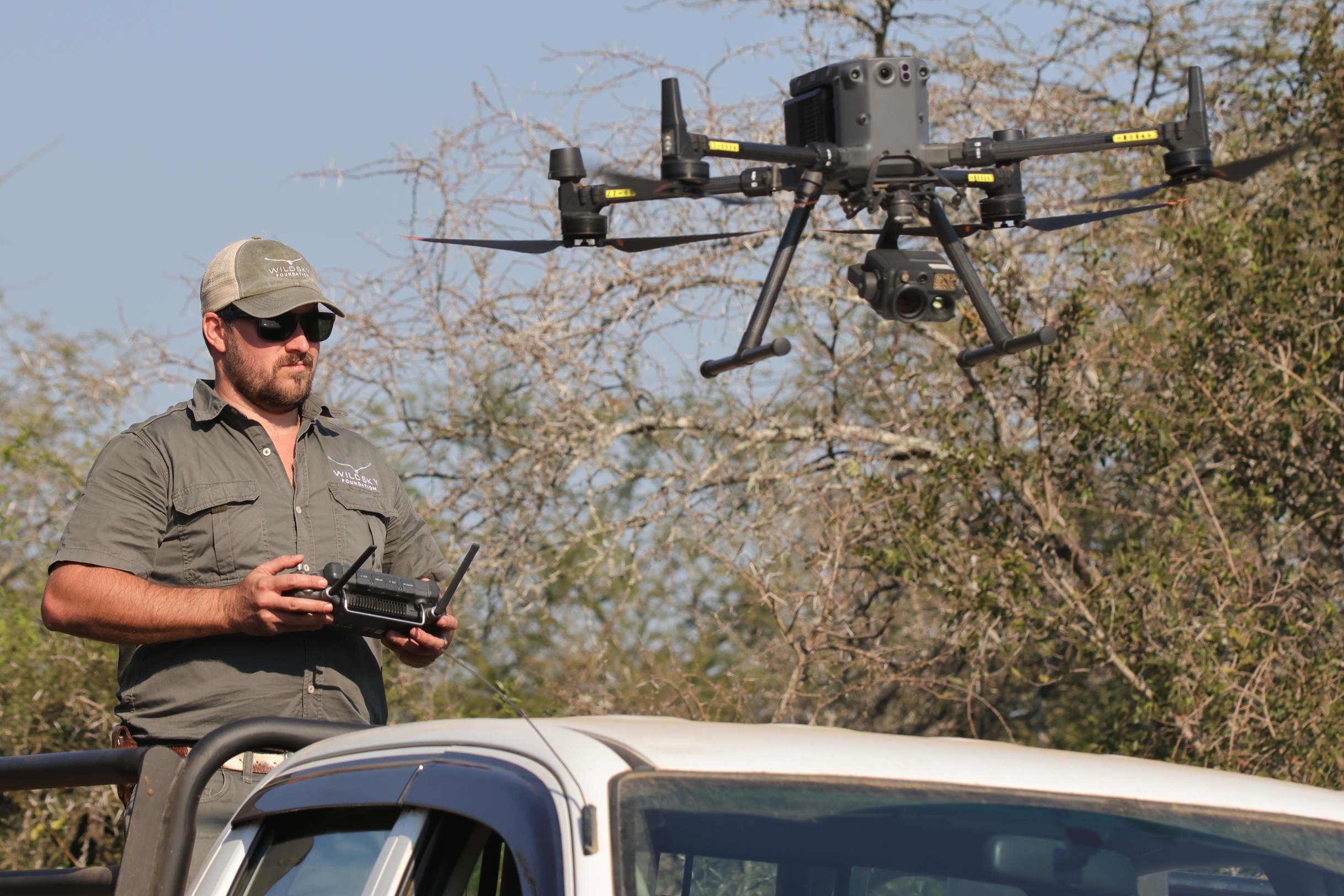 The drone alone completed 94 flights and logged more than 30 hours in the air as teams searched the park’s dense and varied terrain.
One adult female proved particularly challenging. Teams and the drone repeatedly relocated her over several days before conditions finally allowed for a safe darting opportunity.
And safety always comes first. Weather, terrain, the age and health of the animal and its social circumstances all have to be considered. Mothers with young cubs, for example, are not collared, while young animals may be left until they are old enough.
“Cheetah are challenging to dart and collar as they are very sensitive to the drugs and overheating is a big risk,” says Ezemvelo KZN Wildlife vet Dr Jennifer Lawrence. “Conditions have to be just right and managing the anaesthetic becomes the priority.”
So, why go to all this effort? Cheetahs are classified as vulnerable on the IUCN Red List, with fewer than 7 500 estimated to remain in the wild and fewer than 1 000 in South Africa. Tracking individual animals gives conservation teams a much clearer picture of how they move through the landscape, how the population is changing and which animals may be suitable for future translocations.
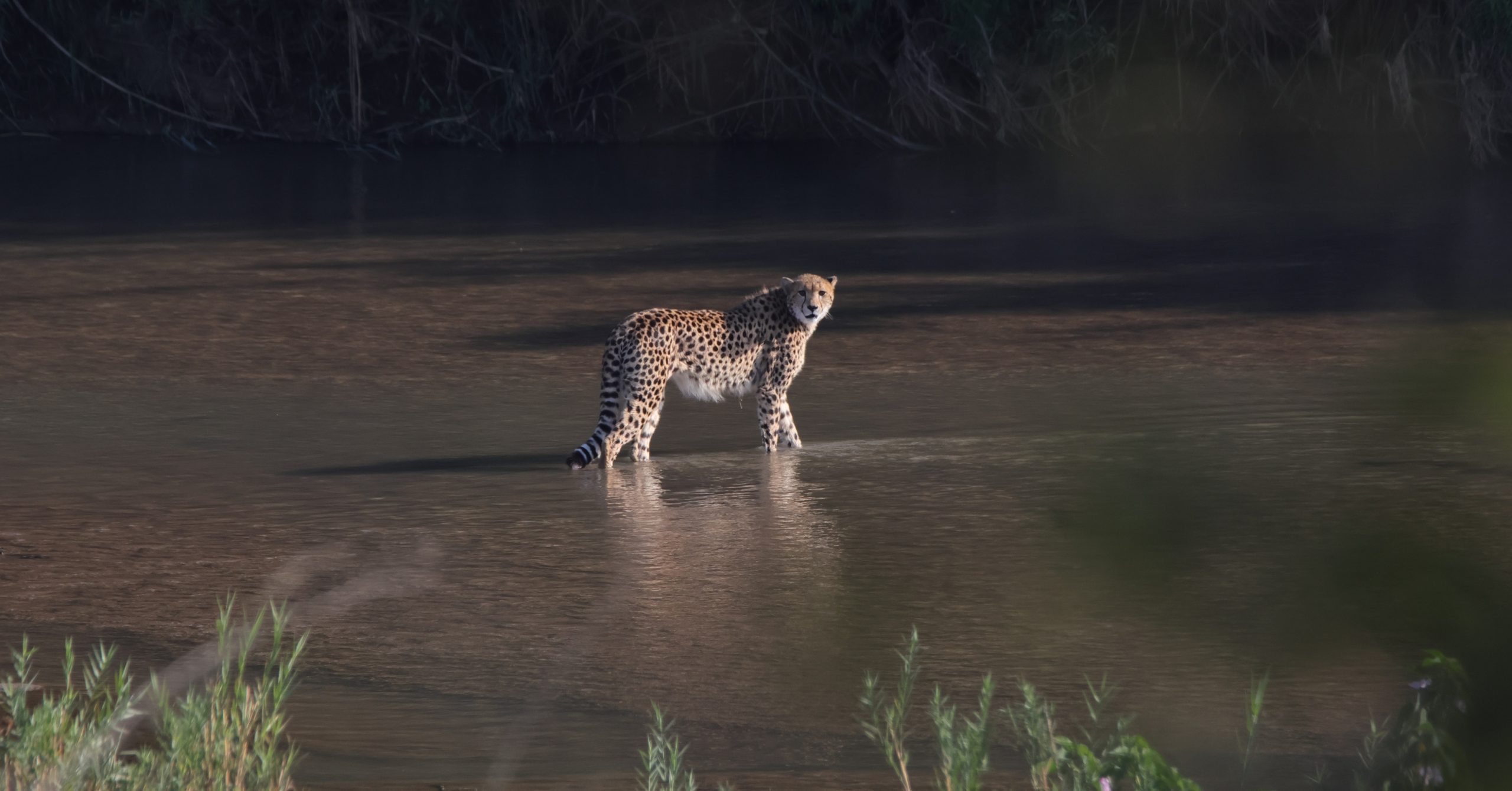 The collars, designed by Wildlife ACT Innovations, use GPS technology to record movements remotely, while a VHF system allows teams to locate individual animals on the ground – particularly useful when a cheetah disappears into thick bush.
Genetic samples were also collected from the animals during the operation, helping researchers assess the genetic health of HiP’s growing population. That growth is good news, but it also comes with responsibility. Maintaining genetic diversity is essential to preventing populations from becoming more vulnerable to disease and environmental change.
For Chris du Toit, Wildlife ACT’s Wild Dog and Cheetah Conservation Programme Manager, the information gathered is about looking well beyond the immediate operation.
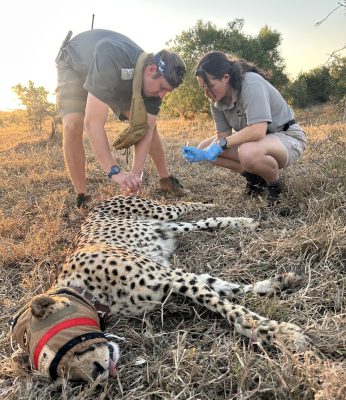
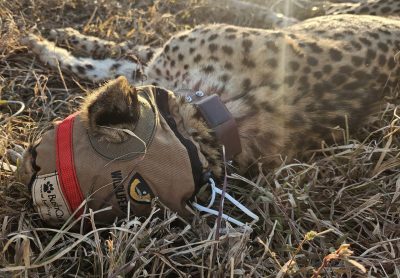
“Every collar we fit gives our teams and partners a clearer picture of how these cheetah are using the landscape and how the population is changing over time,” he says.
The operation brought together Wildlife ACT, Ezemvelo KZN Wildlife, African Wildlife Vets, Forever Wild Foundation, WildSky Foundation and Ford Wildlife Foundation – a reminder that protecting wildlife is very much a team effort.
For now, the five newly collared cheetahs are back where they belong: roaming Hluhluwe-iMfolozi. Their collars will quietly continue collecting information that could help shape the future of one of South Africa’s most iconic animals.
Details: wildlifeact.com; IG: @wildlife_act