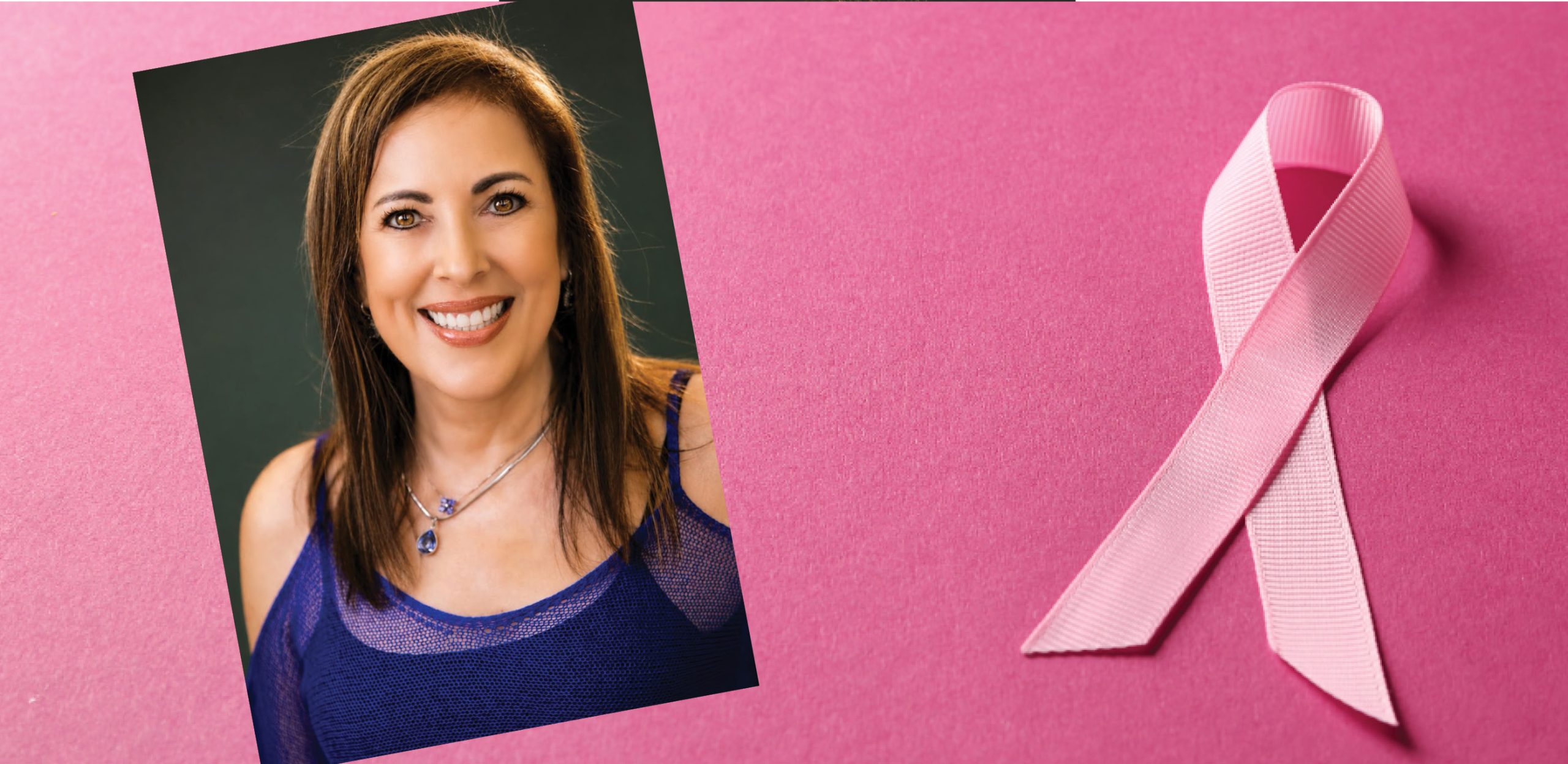
For Westbrook’s Angi Chelin, a breast cancer diagnosis at 63 came with an understanding of just how precious early detection can be. Having watched both her mother and best friend lose their battles with the disease, Angie was determined to face her own diagnosis head-on – and, six and a half years later, she is living life with purpose, gratitude and a renewed focus on her health.
As Breast Cancer Awareness Month reminds us each October, knowing your family history and being proactive about your health are important. For Angi, breast cancer had already touched her life twice before it became her own reality.
Her mother discovered a lump but left it for around a year before being diagnosed with stage-three breast cancer. After treatment, she appeared to have beaten the disease, but five years later it returned, spreading to her lungs and stomach.
Then Angi watched her best friend face the disease. Diagnosed at just 38, Debbie fought the disease for five years before she passed away.
“I had two very close people who had passed away from breast cancer,” Angi says.
Facing her own diagnosis
At 63, Angi was diagnosed with stage-two breast cancer. Two types were present – ductal and lobular.
While the ductal cancer was detected as a lump, the lobular cancer did not show up on her mammogram or ultrasound and was only discovered during further investigations.
Given her family history, Angi had always attended regular check-ups. She and her sister had also previously been warned that they were at increased risk, although they had not undergone BRCA testing.
Following her diagnosis, Angi sought advice from more than one specialist before deciding on her treatment. She ultimately underwent a double mastectomy and reconstruction.
The physical and emotional journey was challenging. Reconstruction was interrupted by the Covid-19 pandemic, while hormone-blocking medication brought difficult side effects.
Taking control
Angi responded by educating herself. She read extensively, spoke to other women who had been through breast cancer and joined support groups.
She also began making changes to her lifestyle, becoming more intentional about nutrition and exercise. Today, her routine includes Pilates, yoga and rebounding, as well as working with a biokineticist.
“I’m physically stronger now than I was before,” she says.
Angi is quick to point out that every cancer journey is different. She would never tell another person what treatment to choose, emphasising the importance of listening to your oncologist, asking questions and finding doctors you trust.
Life after cancer
Six and a half years after her diagnosis, Angi has passed the five-year milestone that once seemed so far away. She continues to see her oncologist and undergo monitoring, but her life is no longer centred on cancer.
Living in Westbrook, she enjoys travelling, lunches with friends, talks and walks on the beach.
For Angi, the experience has brought a renewed appreciation for ordinary moments and the freedom to enjoy them.
Her advice to other women is simple: get checked, know your body and don’t ignore something that doesn’t feel right.
“Life knocks you down, but you get up,” she says. “And you carry on.”
KNOW THE SIGNS
Early detection matters. Get to know what’s normal for your breasts and speak to a healthcare professional if you notice a change.
Look out for:
• A new lump or thickening
• Changes in breast size or shape
• Skin changes, such as dimpling or redness
• A change in the nipple, including inversion
• Unusual nipple discharge
• Persistent breast or underarm pain
Don’t wait for a lump. Some breast cancers have no obvious symptoms, making recommended screening and regular check-ups important.
Photo: Seven Seconds Of Bliss