Short, intentional trips let you explore your own backyard and still make the Monday meetings.
Rest used to mean saving two weeks for December. That’s not how most South Africans live now. Between work rosters, school lifts, fuel price hikes, and budgets that don’t stretch, a full holiday feels out of reach. More people are choosing the opposite: a short, sharp break that fits into a normal week.
It’s part of a quiet reset. Travellers are swapping the big annual trip for mini-breaks that still feel like a holiday.
A micro-cation is simply a mini-break. It can be a day trip, an overnight, or a long weekend. You skip the stress of planning months ahead, and you focus on getting the most from the hours you have, not on ticking off a long list.
A shift to less time, more intent
Time is the biggest driver. Carving out seven to ten days is hard when leave is tight. A short trip needs less planning and less negotiating with your manager.
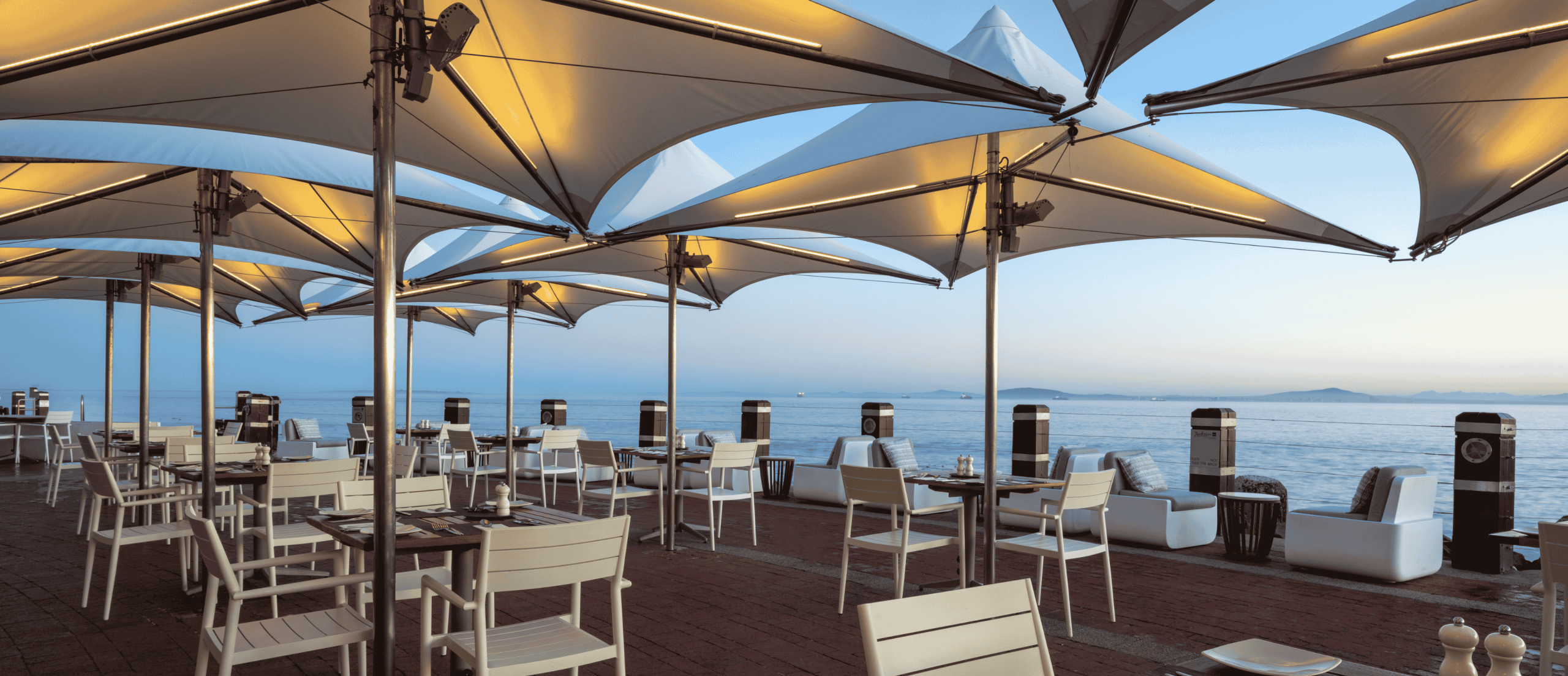
“Guests arrive on a Friday with a weekend bag and a very short list,” says Cindy Seti, Guest Relations Manager at Radisson Collection Hotel, Waterfront Cape Town. “It’s usually three things: a yearning for the ocean, one meal they’ve been craving, and time away from screens. They’re not trying to see everything.”
It also pushes people to look closer to home. Instead of waiting for an overseas ticket, people are finally booking the places they’ve driven past for years. In the Cape, that’s the Winelands towns, West Coast villages, and Karoo dorpies. Upcountry, it’s a weekend in Clarens, a wander through the Midlands, or a quick hop to the Drakensberg for Joburgers and Durbanites.
Cost helps too. Fewer nights mean less spent on accommodation and transport, so the budget goes towards the good stuff. And many use the time for wellness first: a digital detox, a cold dip, a massage, a long sleep.
Less time forces better choices.
From gap-filler to main event
A good micro-cation is planned but not packed. The guidance is simple, and it works here too.
- Pick somewhere close. Think a two- to three-hour drive. If you’re in the city, even a night in a different neighbourhood counts.
- Pack light. For one or two nights, you don’t need a suitcase. A backpack keeps the whole thing easy.
- Leave your room. Book the anchor – dinner, a trail, a spa slot – then let the rest happen.
The trick is picking a scale that fits the time. Try to do too much in 48 hours, and you’ll come back tired. Do one thing well, and you’ll feel the reset.
A local lens on a global habit
Cape Town makes this easy. You’re already on the edge of the Atlantic, with the Overberg two hours away, the Cederberg three, and quick flights to Victoria Falls or Hoesdspruit for a Safari. Off-season fares in May and June help stretch a rand further.
“We see a lot of locals checking in for one night just to hear the ocean from their bed,” Seti says. “They’ll walk the Sea Point promenade at sunrise, have spa treatments and salt therapy, and be home for Monday meetings. It’s rest without the recovery period.”
Short doesn’t have to mean wasteful. Choosing midweek dates, travelling by bus or train where you can, and picking quieter towns like Montagu or Paternoster spreads the benefit and keeps crowds down. That’s good for local businesses too, which is part of why these breaks are catching on.
Start small on purpose. One good experience beats five rushed ones. Book the hike, the Stellenbosch stay, or the city food crawl. Lock in your budget, switch off work, and the micro-cation will handle the reset.