
Sow quick growing veggies for summer stir fries.
Now that summer is on its way, food that is fresh, quick to prepare and healthy is on the menu. That means veggies, and for flavour and freshness, you can’t beat home grown.
Stir fries are a great way to tempt the family to eat most, if not all of the five colours (red, orange/yellow, green, purple and brown/white) that provide the nutrients we need for overall health.
Stir fry veggies by colour
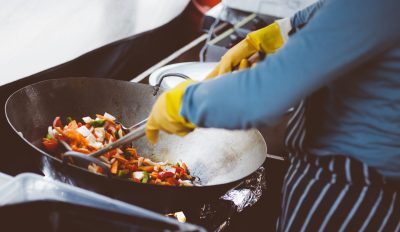
The nicest stir fries are those with a variety of veggies, a mix of colour and textures. Try these for a healthy colour mix.
Red: Sweet red and yellow peppers as well as chili peppers (if you like heat) are the go to veggie for stir fries, adding sweetness or piquancy, crunch and a distinctive yet not overpowering flavour. The thinner you slice them, the quicker they cook. Also think cherry tomatoes that can be cut in half and stirred just enough to slightly soften them.
Purple: Baby red cabbage thinly shredded or sliced, makes a visually appealing stir fry. It’s a quick cook and a quick crop. Purple veggies contain antioxidants that promote brain health.
Orange/yellow: Carrots are the obvious veggie for adding beta carotene which supports our immune system and skin health. If the family turns their nose up at carrots try spiralising them. Use a julienne peeler, mincer or spiralizer and turn out long pasta like strands for easy cooking. There is nothing like the sweetness of carrots.
Green: Probably the most popular green for stir fries is baby marrow. Just don’t overcook it as it can make the rest of the stir fry watery. Also, there are sugar snap peas, garden beans, baby green cabbage, kale, Swiss chard. These are all quick cooks, and each have their own character and flavour.
What’s to like about growing veggies for stir fries.
The varied growing time of veggies adds seasonal interest to stir fries. Spring veggies give way to summer fruiting veggies, followed by autumn root veggies and greens, culminating in cool season veggies like broccoli and kale.
Get started… quick spring veggies
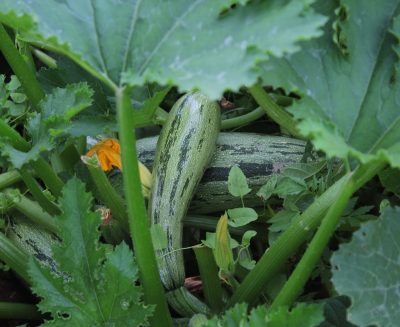
Baby marrow ‘Caserta’ is a bushy squash that takes up less space than other trailing squash, which makes it a better option for small vegetable gardens Plants do best in full sun, in well composted soil that drains well. Give each plant about 1m² of space for growing.
‘Caserta’ germinates easily and is quick to harvest as the first fruit is ready for picking within 65 days of germination. The yield is regular and prolific so a small family could easily have their needs met by just two plants.

Cabbage ‘Baby Red’ produces perfectly round, dark red heads, 15 cm in diameter, with a sweet flavour. The heads can be harvested within 56 to 60 days from germination. Space plants about 25 cm apart. Cabbages are heavy feeders so mix in compost, fertiliser, and bonemeal or superphosphate when preparing the soil. Water regularly for firm, juicy heads. The best time to water is early in the morning, because watering at night can cause the heads to burst or encourage fungus disease.
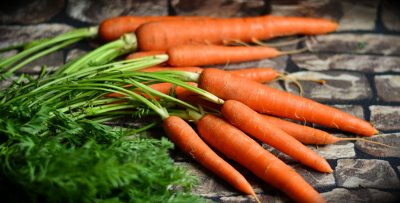
Carrots ‘Cape Market’ and ‘Nantes’ are cool season varieties that are best sown now. Carrots are a good option for the city veggie garden being a quick, high yield crop for a small area. The final spacing for carrots is 5 to 6cm apart; that’s a lot of carrots in a single square metre!
Carrots need deep, loose soil that has been well dug over and aerated. Sow the fine seed on top of the soil, cover with a thin layer of soil or sand and lightly firm down. Spritz the soil daily or even twice a day to keep the soil moist during germination. Drying out is one of the major reasons why carrots fail to germinate.
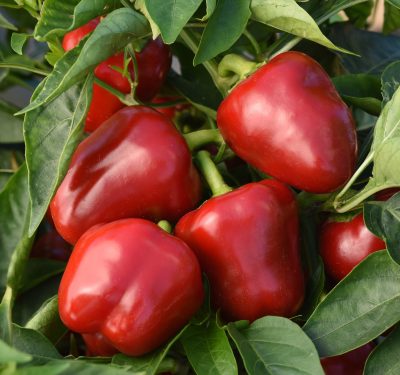
Capsicum ‘ Baby Pepper’ is a sweet and zesty pepper the size of a small tomato. Heat levels rise with maturity so pick young for less heat. This pepper produces its first fruit within 60 days. It’s a small, bushy plant that is ideal for containers. Plants like plenty of sun, fertile soil and regular watering, especially when flowering.
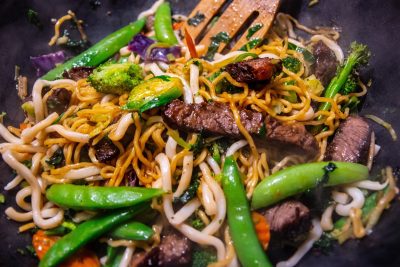
‘Oregan Sugar Pod’ is a Mangetout sugar pea with long, slightly curved fleshy pods which should be gathered young and cooked whole. Plants can grow up to or just over 1m high so light staking is necessary. Harvest the edible pots when they start to swell.
To speed up germination soak the peas in warm water overnight for sowing the next day. Thin out the seedlings to a final spacing of 40cm between plants. The thinned out seedlings can also be used in stir fries.
More information www.kirchhoffs.co.za or buy seeds online www.gropak.co.za
Article and images by Alice Coetzee.