

Early childhood development shapes teen success and the future of every teenager begins long before they enter high school.
Many of the challenges experienced by teenagers, including poor academic performance, behavioural difficulties, and low self-confidence, can often be traced back to missed developmental opportunities during the first six years of life.
Improving educational outcomes does not begin with matric interventions; it begins with giving every young child access to a safe, stimulating, and legally compliant learning environment. When conversations turn to improving education, the focus often falls on matric pass rates, university admissions, youth unemployment, or the behavioural challenges facing teenagers.
Yet these conversations overlook a fundamental truth: the foundations for lifelong learning, emotional resilience, and future success are established long before a child reaches adolescence. The journey from tots to teens is not simply measured by age.
It is shaped by the quality of early childhood development, the environments in which children learn, and whether those environments meet the legal, educational, health, and safety standards designed to protect them.
The foundation for capable teens
Across South Africa, significant progress has been made in recognising the importance of early childhood development.

However, the sector continues to face substantial challenges that affect thousands of children every day, influencing school readiness, educational outcomes, social development, and ultimately the nation’s economic future.
This is precisely where organisations such as ECD Upliftment Projects and Consulting are making a measurable difference. Rather than viewing compliance as a once-off administrative process, the organisation approaches it as a comprehensive strategy for educational improvement. Its services specialise in integrating legislative compliance, town planning, property assessments, municipal approvals, infrastructure development, and registration support into a single process designed to strengthen ECD centres for the long term.
The work undertaken demonstrates that compliance is not simply about meeting legislative requirements – it is about safeguarding childhood, improving educational outcomes, and building sustainable futures. It is about creating safe, legally compliant, and developmentally appropriate environments where children can thrive from their earliest years, laying the groundwork for confident, capable teenagers.
Missed opportunities
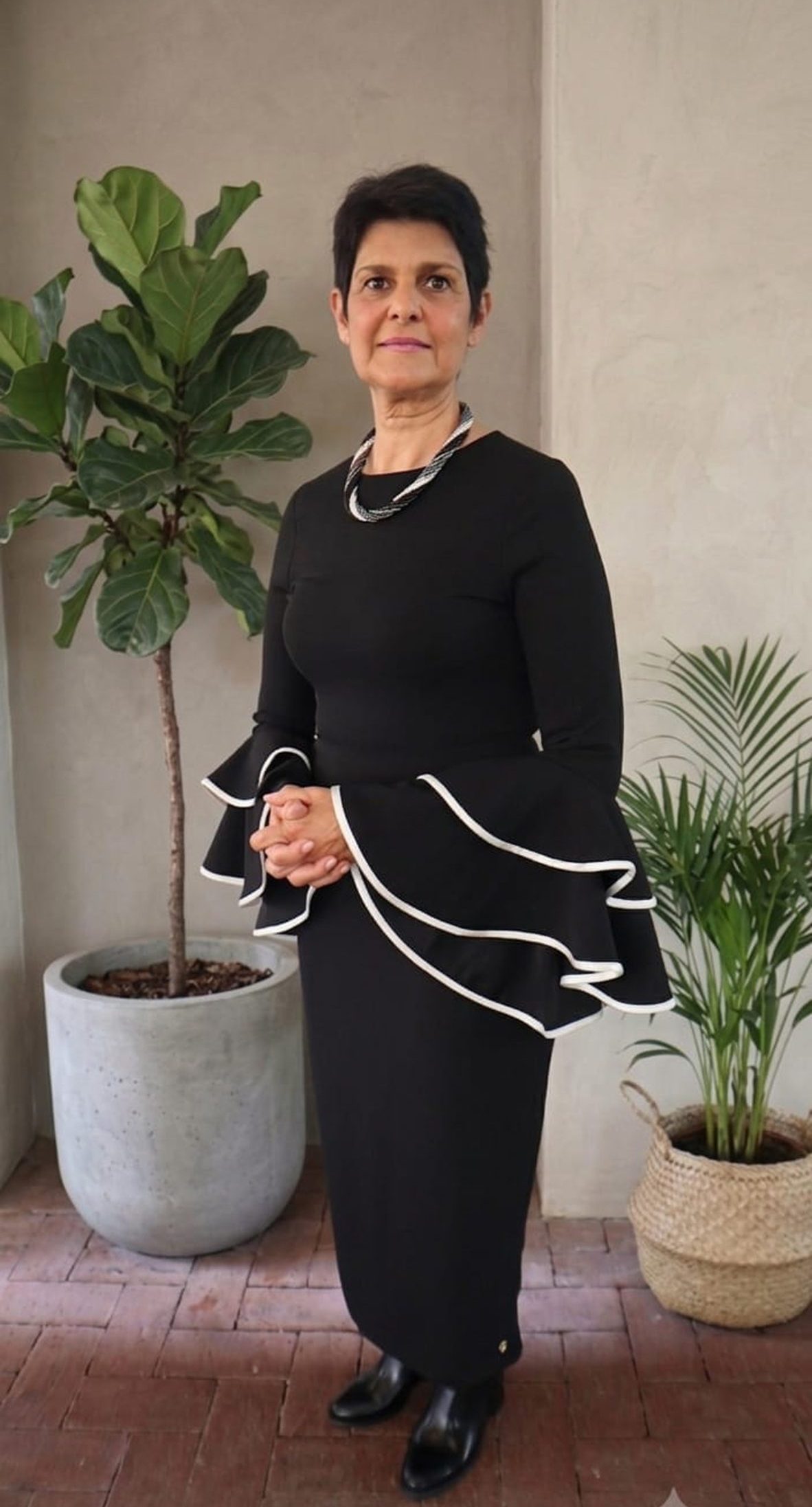
Lisa Januario’s work is driven by the belief that quality early childhood education is one of the most powerful investments South Africa can make in its future.
By the time a teenager is struggling academically or emotionally, the foundations of those challenges may already have been laid in early childhood.
Research consistently shows that nearly 90% of brain development occurs before five years of age, making Early Childhood Development one of the most important investments any country can make.
Prevent the challenges
Children who receive quality early learning are more likely to succeed academically, enjoy better health, and contribute positively to society.

Children do not suddenly become school-ready on the first day of Grade R. School readiness is built over years through play-based learning, social interaction, emotional development, and safe, stimulating environments.
When these experiences are missing, children often enter formal schooling with developmental gaps that become increasingly difficult to close. These early disadvantages frequently continue throughout a child’s education.
By adolescence, they may present as poor academic performance, behavioural challenges, low confidence, or even school dropout.
The difficulties observed in many teenagers today often have their origins in the earliest years of childhood. Imagine two children beginning Grade 1.
One has attended a safe, compliant ECD centre with trained practitioners, stimulating learning opportunities, and supportive infrastructure. The other has spent their early years in an environment lacking resources, structure, and developmental support.
Although both children enter school on the same day, they are unlikely to begin on equal footing. As the years pass, those early differences often become more pronounced. By the time they reach adolescence, one child may be thriving while the other struggles to overcome challenges that could have been prevented through quality early childhood intervention.
The sooner, the better
South Africa cannot solve its education challenges by focusing only on high schools or matric results. If we want resilient teenagers, productive adults, and thriving communities, we must first ensure that every child has access to a safe, compliant, and nurturing start in life.

Improving South Africa’s education system cannot begin in high school. Nor can it begin only in primary school. It must begin where learning first begins. The path from tots to teens is shaped one day, one classroom, and one opportunity at a time.
The question facing South Africa is no longer whether early childhood development matters. The evidence is overwhelming that it does. The real question is whether we are prepared to invest in getting those first six years right because the future of every teenager and indeed the future of our nation, depends on it.
Because when we get the first six years right, we change the next sixty.
Lisa Januario is the founder and managing director of ECD Upliftment Projects and Consulting.
Text: LISA JANUARIO