There’s a certain ease that comes from living in a space that simply feels right.
Durban-based architect Paul Nel explains, “Good design is invisible. Not because it goes unnoticed, but because it feels so natural that you can’t imagine living any other way. It’s the gentle pull of morning light through open doors, the ease of movement between kitchen and patio, the quiet sense that your home understands you.”
 Homes that work for real life take their cues from how people interact with their environment. Layouts, levels, and connections between spaces should support both activity and relaxation, indoors and out.
Living made easy
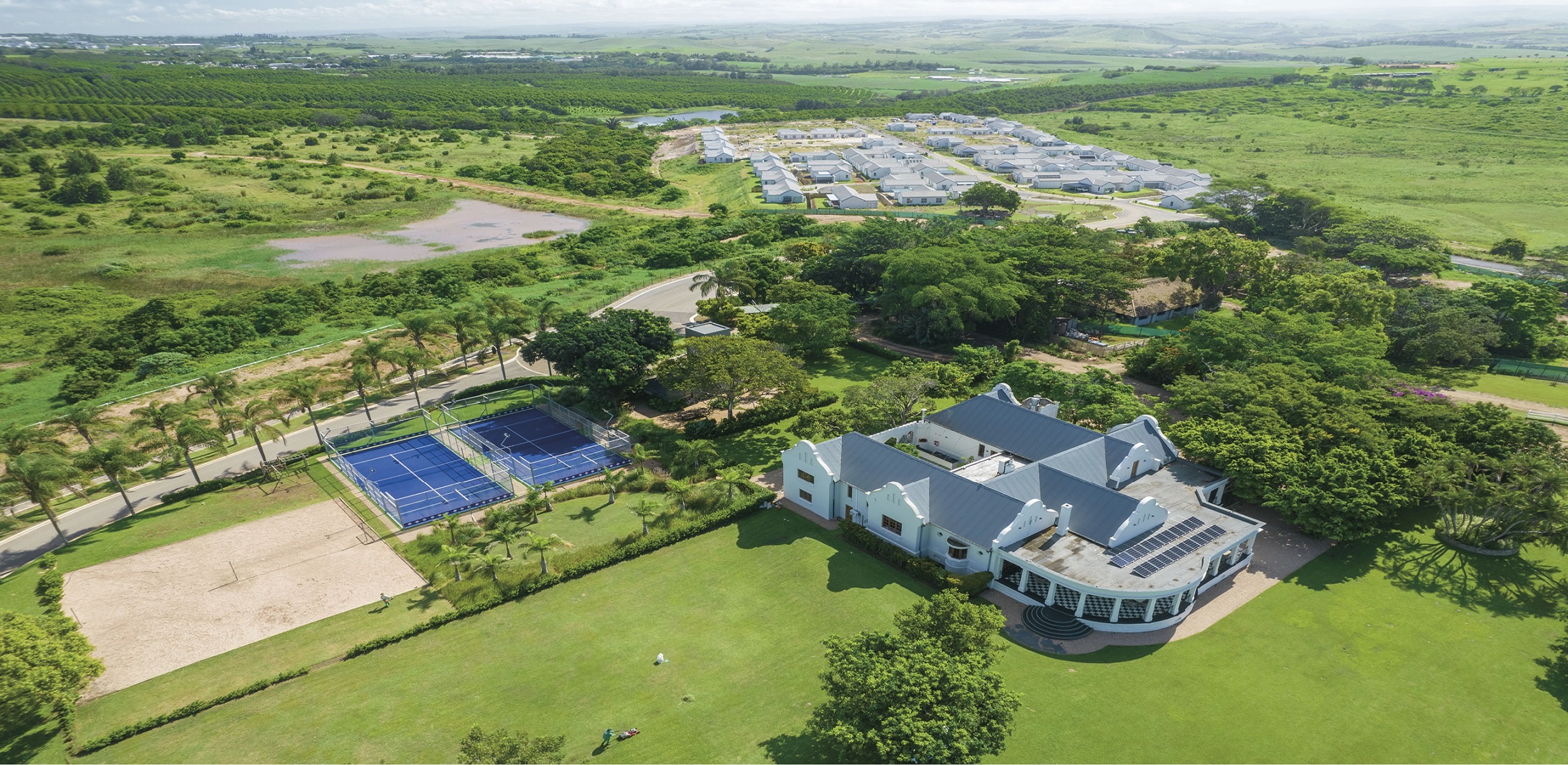
Single-level homes illustrate this principle perfectly. Families benefit from spaces that allow children to move freely between indoors and outdoors, while older adults enjoy independence and comfort. Good design here quietly supports the rhythms of daily life, making it easy to live without thinking about the layout. Lalela Estate in Sheffield provides a clear example, with homes designed around accessibility, light and flow.
Flow, light and connection
Open-plan layouts merge kitchen, dining and living areas, encouraging both flexibility and social interaction. Large windows and sliding doors bring in natural light and fresh air, blurring the boundary between interior and exterior.
Community and context
Well-designed homes don’t exist in isolation. Walkable streets, shared outdoor spaces and thoughtfully placed greenery all enhance daily life. Tree-lined paths, parks and communal areas encourage activity, connection and a rhythm of living that feels natural.
Homes that nurture wellbeing
Design affects more than aesthetics; it impacts mood, comfort and wellbeing. Orientation, light, and spatial flow create calm, functional and adaptable homes. The most successful designs evolve with their residents, supporting changing needs while maintaining balance and ease.
Details: www.lalelaestate.com