How to keep indoor plants snug and happy throughout winter.
Most of our homes are not geared for winter. Cooler indoor temperatures, lower light and shorter days not only affects our well-being but also that of indoor plants, especially tropical plants.
With some basic winter care your indoor plants can happily come through winter, continuing to bring life, colour, and even flowers into the home. Tasks include moving plants to warmer spots, reducing watering and improving humidity.
Are your plants cold?
Plants that are suffering from the cold may start dropping their leaves or wilting, or foliage becomes dull or yellowish. Generally, you can see that they are just not thriving. Finding the right place is often a case of trial and error. If the plant is not thriving in its new place, try another spot until it is happy.
Warm and Bright
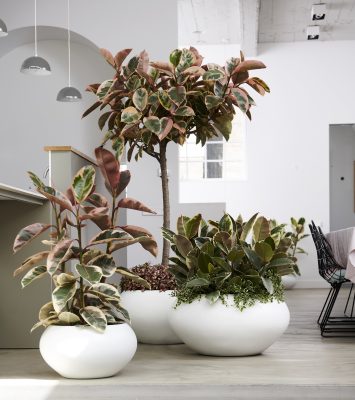
Tropical plants like Ficus robusta, delicious monsters, philodendrons, calathea and alocasia are sensitive to cold and will benefit from being moved into a warm, north facing room with filtered sun. Even plants that tolerate lower light, like Sansevieria and Peace Lilies will do better with bright light in winter.
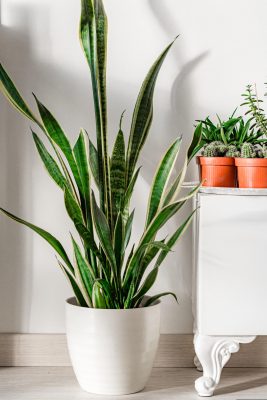
However, don’t place them too close to a window because the cold night temperatures are intensified by the glass. Also keep plants out of drafts and away from heaters that dry out the air.
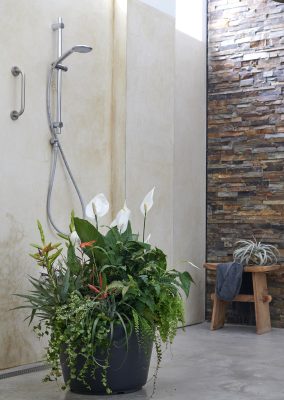
Warm, light bathrooms are ideal. The steam from showers and baths creates a warm, humid environment that suits ferns and other tropical plants.
Improve humidity
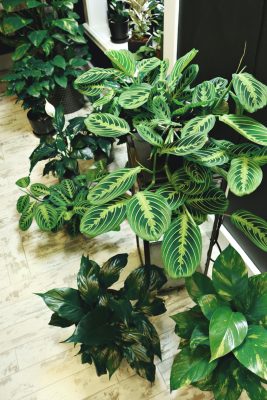
Grouping plants together helps to create a warmer and more humid environment and it gives the room a cosier feel. Placing the pots on pebble trays will improve humidity too.
Watering… less is more
Indoor plants need far less water in winter, so be careful of over watering. Cold, wet soil increases susceptibility to root rot and disease.
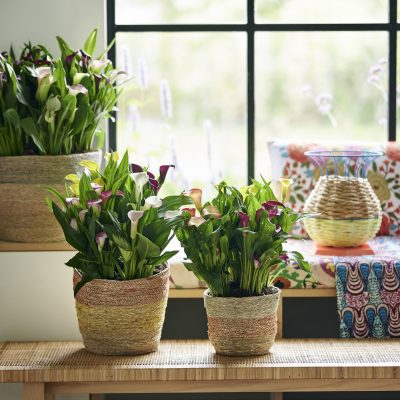
Good to know: In winter, its noticeable that plants are seeking the light and tend to grow towards a sunny window. Rotating the pots regularly will result in even growth.
Be a dust buster
Dust and fats in the air can smother the leaves, which reduces photosynthesis. This is especially so in winter with closed windows and less air circulation. Regularly wipe the leaves with a damp cloth or place pots outdoors and wash off the leaves using a watering can or soft spray from a hose. Let the pots drain thoroughly and the leaves dry off before returning them indoors.
Special care for Phalaenopsis orchids
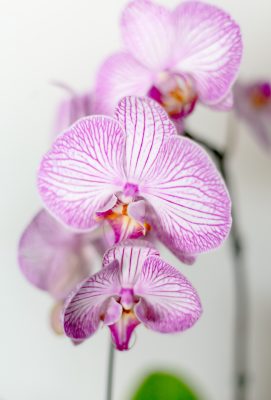
Move your orchid to the sunniest room in the house, where it will receive bright light but not sunlight.
Keep it out of drafts, from the front door or windows. If the buds fall off, it means the plant has been exposed to a draft.
The air tends to be dryer in winter so check that the orchid’s roots don’t dry out. Roots that are dry and grey are in need of water. Drench the orchid in its pot, let it drain completely and return to its original position. Orchid roots need to look green and plump.
Increase humidity by placing the orchid on a pebble tray filled with water, put it in the bathroom or mist its leaves every now and then.
Content by www.lvgplant.co.za
Article and images by Alice Coetzee.