For more than a century, the McGregor Museum has preserved the stories, people and places that shaped Kimberley and the Northern Cape. From the diamond rush to ancient human history and the struggle for democracy, the museum offers visitors a fascinating journey through the region’s past.
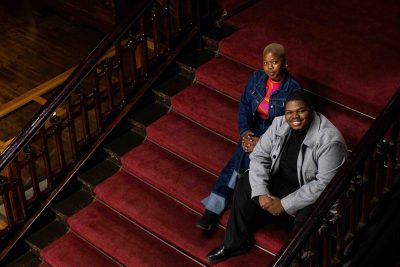 For more than a century, the McGregor Museum has served as a gateway into Kimberley’s past, preserving stories that stretch from the city’s diamond-mining origins to the rich natural and cultural heritage of the Northern Cape.
Formally established on 24 September 1907, the museum began when its original building in Chapel Street was donated to the people of Kimberley by Mrs Margaret McGregor in memory of her late husband, Alexander McGregor. A former mayor and prominent figure in Kimberley’s early development, his legacy became closely connected to the preservation of the city’s history.
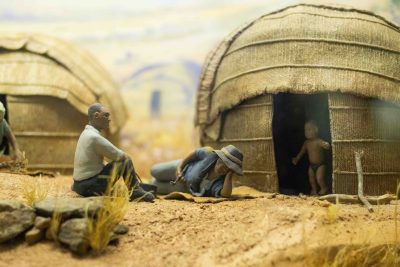
According to chief executive officer of the McGregor Museum, Sunet Swanepoel, the institution has remained closely connected to Kimberley’s identity since its establishment. “From its inception, the museum has been closely tied to Kimberley’s identity – documenting not only the city’s diamond mining origins, but also the broader natural and cultural history of the Northern Cape.”
What began as a single-site institution has since grown into a multidisciplinary museum and research centre, with a network of museums and heritage sites across the province. These include house museums, archaeological sites, a rock art centre and a battlefield museum.
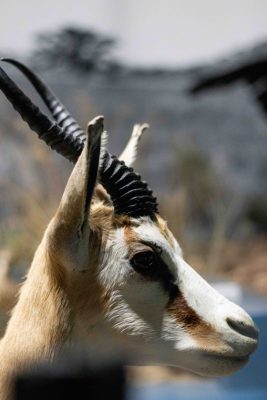
Swanepoel said the museum’s role extends beyond simply preserving artefacts. “The museum plays a central role as both a repository and research institution for the Northern Cape’s heritage.”
Its collections cover natural history, archaeology, ethnography and social history, allowing visitors to explore the region from different perspectives. The museum also seeks to document everyday life, social change and the diverse communities that have helped shape Kimberley and the province.
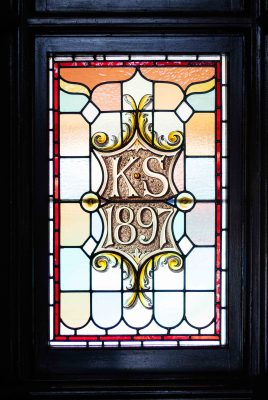
Visitors can explore natural history displays, archaeological material and exhibitions covering significant periods in Kimberley’s development, including the Siege of Kimberley and the city’s transformation during the diamond rush.
Among the museum’s standout features is the Ancestors Gallery, which offers a deep-time perspective on human history in the Northern Cape. Another key exhibition, Journey to Democracy, explores the history of the liberation struggle in the province.
Military history also forms part of the museum’s offering, with exhibitions covering the Kimberley Regiment and the World Wars, while broader timelines connect local stories to South Africa and the wider world.
Education is another important part of the museum’s work. Swanepoel said engaging younger generations remains a core function of the institution. “Education is a core function of the museum. It offers structured school programmes, guided tours, and curriculum-aligned content that helps learners engage with history in a tangible way.”
Kimberley’s identity is inseparable from the discovery of diamonds, and the museum’s collections provide an opportunity to explore this important chapter in the city’s history.
 According to Swanepoel, the museum holds extensive archival material relating to the diamond diggings and Kimberley’s development, including documents, photographs and artefacts connected to early mining enterprises.
These collections also help visitors understand the wider impact of the diamond rush, including labour systems, urban development and the social and economic transformation of the region.
The museum’s relationship with the community remains equally important. “Community engagement is fundamental to our work,” Swanepoel said, highlighting public lectures, heritage days, temporary exhibitions and collaborative projects as some of the ways the museum encourages public participation.
Through partnerships with local organisations, artists, historians and heritage institutions, the McGregor Museum continues to create opportunities for people to engage with and contribute to the preservation of the region’s heritage.
More than a building filled with historical objects, the McGregor Museum remains a living connection between Kimberley’s past and its present. Through its collections, research, educational programmes and community initiatives, it continues to preserve the stories of the people, places and events that have shaped Kimberley and the Northern Cape.
Text: CLEMENT MATROOS