Encouraging inventiveness in children helps build confidence, explore emotions, solve problems and develop a love of learning.
In an age of busy schedules and glowing screens, nurturing creativity at home can feel like just another thing to add to the to-do list. The good news is that sparking imagination does not require expensive toys, elaborate planning or endless time. Often, it starts with slowing down, listening, and giving children the space to explore their own ideas.
Imaginative play is where learning quietly happens. When a child pretends to run a shop, they practise numbers and communication. When they dress up as a superhero or fairy, they explore emotions, bravery and empathy. When they invent stories, they develop language, problem-solving skills and a sense of identity. These early experiences lay the foundations for school readiness and a lifelong love of learning.
One of the simplest ways to encourage imagination is through storytelling. Reading together remains powerful, but so does making up stories on the spot. A story does not need a book to begin. It can start with a question at bedtime, a long car journey or a quiet moment after bath time. Ask your child what happens next, who the hero might be or how the story should end. Their answers may surprise you, and the confidence they gain from being heard is invaluable.
 Open-ended play materials are another secret weapon. Toys that do not have a fixed purpose invite creativity. Blocks become towers, roads or animal homes. Fabric scraps transform into capes, blankets or picnic mats.
Even everyday household items can inspire play. A wooden spoon can be a microphone, a drumstick or a magic wand. When children decide how to use an object, rather than being told, they are actively creating.
Time outdoors also fuels imagination in ways indoor spaces cannot always replicate.
Nature offers endless possibilities, textures and challenges. Leaves become currency, stones become characters and trees become hiding places.
Outdoor play encourages movement, curiosity and independence, all while supporting imaginative thinking.
Perhaps most importantly, children need permission to be bored.

Constant entertainment can stifle creativity, while moments of boredom invite invention. When a child says, ‘I don’t know what to do’, it is often the start of something wonderful. Resist the urge to fix it immediately. Give them time and they will usually find their own solution.
Parents and caregivers play a vital role, not by directing play, but by joining it when invited. Ask questions, follow their lead and celebrate their ideas, no matter how whimsical. Praise effort and creativity rather than the final result. A scribbled drawing or an unusual story deserves as much enthusiasm as something neat and polished.
Preschools and junior schools understand this deeply. Quality early learning environments are designed to encourage curiosity, exploration and imaginative play through thoughtfully planned activities, supportive educators and inspiring spaces. When home and school work together to nurture creativity, children thrive.
In the end, imagination is not about raising the next artist or author. It is about raising confident, curious children who believe their ideas matter. And that is a gift that will serve them long after the dress-up box has been packed away.
Easy ways to spark imagination at home
- Create a dress-up box with old clothes, hats and scarves
- Keep a basket of open-ended toys such as blocks, shells or wooden figures
- Tell stories together, letting your child decide the characters and ending
- Encourage outdoor play, even if it’s just a small garden or park visit
- Allow unstructured time without screens or planned activities
- Ask open questions like “What could this be?” or “What happens next?”
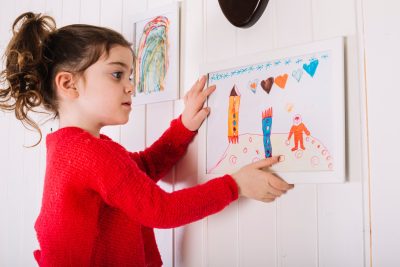
- Display your child’s artwork proudly to show their ideas are valued.