Creative children don’t just play they experiment, problem-solve and innovate. Simple activities at home can nurture skills, confidence and resilience, giving them tools to approach learning and life in bold new ways.
Some children thrive when they can tinker, build and explore. They don’t just learn, they experiment, invent and figure things out in ways textbooks cannot teach. ‘Hands-on experiences help children develop problem-solving skills and confidence,’ says educational specialist Dr Lisa Mkhize. “These are the foundations for lifelong learning and resilience.”
Feeding creative minds requires a different approach. It means giving children freedom to explore, make mistakes and try again. Whether it is constructing a miniature city, designing a comic strip or choreographing a dance, these activities teach focus, determination and persistence. “Every project is a lesson in thinking critically,” Dr Mkhize explains. “Children learn to test ideas, adapt strategies and trust their instincts.”
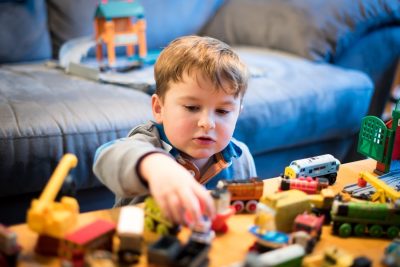
Parents and caregivers play a vital role by providing tools, space and encouragement. Open-ended materials such as paper, clay, LEGO, craft kits or everyday household items spark endless possibilities. Shared experiences such as museum visits, theatre performances or music events broaden understanding and inspire new ideas. Celebrating effort rather than perfection reinforces that creativity itself has value.
Creative children also develop emotional and social skills. Collaborative projects encourage communication, patience and teamwork, while small independent projects build self-confidence. “When children see their ideas appreciated, they learn that thinking differently is a strength,” says Dr Mkhize. “They understand that experimenting, failing and inventing are all part of growth.”
At home, simple steps make a big difference. Set up a ‘creation corner’ with reusable materials, encourage storytelling games or try mini challenges like designing a tiny world from cardboard, fabric or buttons. These exercises foster independence, curiosity and the ability to approach problems creatively.
“Creative brains are not just about art, they are engines for critical thinking, innovation and adaptability,” Dr Mkhize concludes. “Nurture these skills early, and children gain tools to tackle challenges, seize opportunities and shape their own futures.”
 Mini challenge
Encourage your child to build their dream room or a magical mini world using just what’s around the house. Gather simple materials like cardboard, paper, old boxes, buttons or fabric scraps, and invite them to explore without worrying about perfection. Prompt them to add tiny details, such as a little bookshelf, a mini pet, or a magical lamp, and celebrate the creativity rather than the finished product. Once their creation is complete, suggest taking a photo or drawing a picture to share with someone they love – you never know, their tiny masterpiece could spark a big idea!