
For gardeners who love heirloom flowers, here are some lesser-known varieties worth discovering.
There’s something magical about heirloom flowers. Their names, for a start. Like ‘Forget me not,’ ‘Lady Slipper’, ‘Bells of Ireland’, and ‘Satin Flower’ to name a few.
Many of these are forgotten varieties, that are passed over on seedling racks, but like so many other heirloom varieties – they grow easily from seed, multiply happily and attract pollinators.
These are flowers that great, or even great-great grandmothers grew and yet the flowers are as beautiful and unusual today as they ever were.
These six tried and trusted heirloom varieties will add variety to your garden and maybe attract a little envy from other gardeners.
Godetia Azalea Flowered Mixed
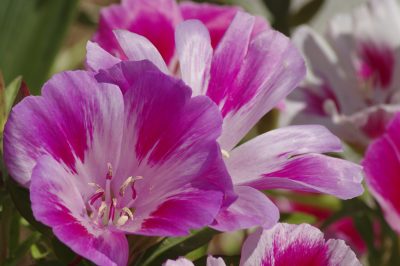
Commonly known as the Satin Flower, Godetia ‘Azalea Flowered Mixed’ is an easy to grow long lasting 40cm high cut flower. They are one of the brightest, most free-flowering gems for the garden border. The double to semi-double wavy-edged blooms come in in shades of white to crimson bi-colours and perform year-round. Plants grow quickly and should be flowering within 90 days.
Growing tips
- Godetia like full sun. Sow seed directly into soil that drains well. Press the seeds lightly into the moist soil as they need sunlight to germinate. Don’t let the soil dry out during germination.
- Thin out seedlings to 25cm apart when they have their first true leaves.
- Water deeply when the top layer of soil dries out. Once established they do not need a lot of water.
- Regularly dead head spent blooms to encourage new flowers.
Balsamina ‘Lady Slipper’
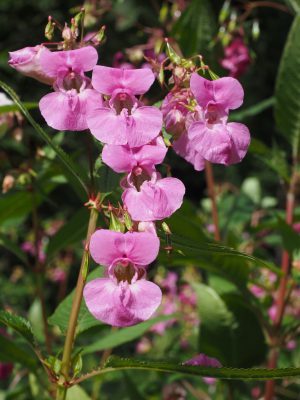
The botanical name ‘Impatiens Balsamina’ gives a clue to what kind of plant to expect. The dark, thin leaves are rather like New Guinea impatiens while the showy, dramatic flowers invite Cinderella or other fairytale heroines to slip them onto their feet.
The seed variety ‘Balsam Dwarf Tom Thumb Mixed’ is a compact bush that is covered with large double flowers in shades of purple red, blush pink, carmine and pure white.
Growing tips.
- Plant in partial shade to full sun. In very hot summer climates, they would do better with three to four hours of morning sun and afternoon shade.
- Sow in situ or in seed trays, into moist soil and cover with a very thin layer of soil as the seeds need light to germinate.
- Transplant into well composted soil when the seedings have several true leaves.
- Keep the soil consistently moist by watering around the base of the plant to prevent powdery mildew.
- Pinch off the top of the plant for a bushier plant and better flower production.
Celosia Cockscomb
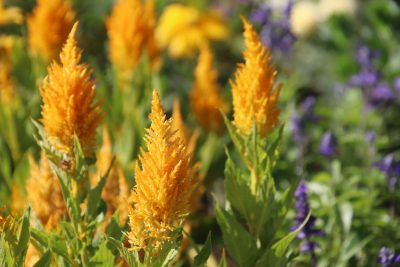
Celosia ‘Pampas Plume Mixed’ is a giant plumed variety that produces masses of soft, feathery, long, plumes in scarlet, orange, bright yellow, pink, and cream. Each plant produces multiple branches with 10-14 stems each, making it an excellent cut flower, especially for bouquets and for drying. Plant in groups for a bold show.
Growing tips
- Celosia grows best in full sun in fertile, well-draining soil.
- Surface sow seed on warm soil, cover with a thin layer of soil or vermiculite and press down lightly. The seed needs light to germinate.
- Keep the soil moist during germination by mist spraying.
- Water young plants consistently, then reduce watering once established. Mature celosia is fairly drought tolerant.
Forget Me Not ‘Myosotis Blue’

These dainty, true blue flowers grow best in moist, shady parts of the garden, especially in hot areas. The deep blue petals contrast sharply with yellow, or white interior of the flower and they produce their garden magic from late spring into summer and again in autumn.
Growing tips
- Scatter sow the seed over the soil where they are to grow. Cover with a thin layer of compost and press down lightly.
- Mist spray during germination (between 7 and 14 days) to keep the soil moist.
- Thin out when the plants have their first true leaves.
- Keep the soil consistently moist but not soggy.
- Plants will reseed if you let the spent flowers drop their seed.
Bells of Ireland
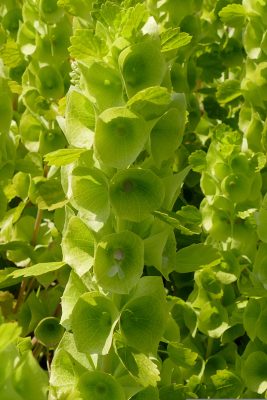
Molucella ‘Pixie Bells’ has been cultivated since 1570 when it was introduced from Syria. Tiny white flowers are cupped in apple green calyxes – or bells. It is very easy to grow and has short, sturdy spikes of unusual green flowers that last well as cut flowers. They do best in full sun, are not fussy about soil, and provide height and contrast in a garden bed.
Growing tips:
- Seed can be sown from spring to autumn
- Chill the seeds in the fridge for about five days before sowing directly into well-prepared flowerbeds.
- Space seedlings 20cm apart once they are about 8cm high.
- Fertilise with liquid fertiliser, two weeks after germination and thereafter every four weeks.
Statice Art Shades Mixed
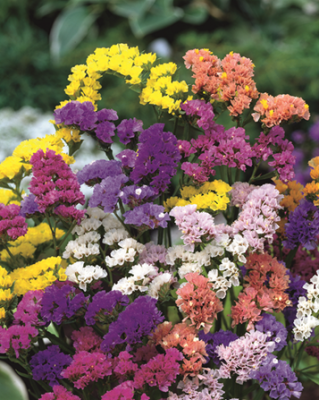
These flowers, also known as paper flowers, last for months when dried or used as a fresh cut flower. The delicate and dainty, papery flowers in shades of orange, pink, purple, white and yellow are carried on unusual ‘winged’ stems. Plants are drought tolerant once established.
Growing tips
- Sow direct into the soil or in seed trays. Sow the seeds on the surface of the soil and cover lightly with soil or vermiculite.
- Keep the soil moist but not soggy during germination
- Once the seedlings are big enough to handle plant in full sun in soil that drains well, ideally sandy soil.
- Water regularly until the plants are established and then reduce watering as statice does not like wet roots.
Content by www.kirchhoffs.co.za / www.gropak.co.za
Article and images by Alice Coetzee.