Children exposed to trauma are three times more likely to repeat grades and are at higher risk of dropping out of school. Mandy Pearson, CEO and founder of the ReStory Foundation, strives for trauma resilience and explains the effect trauma has on children and our society.
“Trauma leaves people operating from the ‘survival’ part of their brain, focusing only on staying alive. This severely impacts learning, productivity and decision-making, which has a knock-on effect on the workforce and the broader economy,” We see this firsthand in our work with orphans, vulnerable children and their caregivers,” says Mandy.

Impact on education
Trauma has a particularly detrimental effect on children and their educational outcomes. According to United Nations Children Fund (UNICEF) South Africa, trauma-related behavioural issues, such as attention difficulties, increased aggression and withdrawal, lead to poor academic performance. Studies also show that trauma impairs brain development, particularly in areas critical for memory, attention and executive functioning. Mandy says Children exposed to trauma are three times more likely to repeat grades and are at higher risk of dropping out of school.
Trauma and employment
Beyond productivity losses, untreated trauma also impairs individuals’ ability to find and retain stable employment. Research in the African Journal of Psychiatry found that people with untreated psychological trauma are at a significantly higher risk of unemployment or underemployment. This often perpetuates poverty cycles and increases reliance on government welfare programmes.
Substance abuse, a common coping mechanism for trauma, further compounds this problem. According to the South African Medical Research Council, individuals who experience psychological trauma are more than twice as likely to engage in substance abuse. This, in turn, feeds into the cycle of unemployment and social instability.
 Cultivating trauma resilience
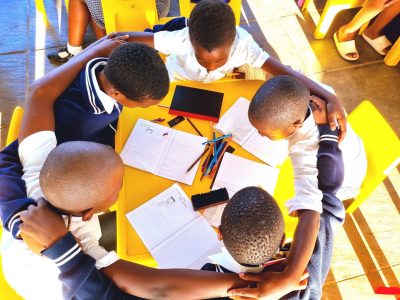
The ReStory Foundation has been operating in Inanda, the ‘murder and rape capital of South Africa’, for over 17 years. With over 300 orphans and vulnerable children on their programme, as well as their caregivers and unemployed young adults, they deal with numerous cases of child neglect, abuse, rape and other forms of trauma.
“The impact of trauma we see in our communities is heartbreaking,” says Mandy. “But we also witness hope and transformation. We’ve seen children come into our programme completely withdrawn, only to emerge with a newfound sense of identity and belonging. Trauma resilience is key! It’s not just about survival; it’s about thriving.”
The ReStory Foundation’s ReStory Model, focuses on growing identity and belonging, trauma resilience and a strong sense of agency.
“We recently saw a 7-year-old boy scale our fence to join our programme. His height was more like a 4-year-old and he clearly struggled with emotional and mental challenges. However, after a few months of building his sense of identity and belonging, we received a video of him confidently leading a reading lesson at his school. The transformation in him has been phenomenal,” Mandy shares.
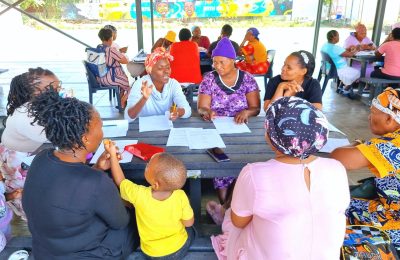
The foundation is also making strides with caregivers, offering programmes like Attachment, Trauma, and Learning in the Child, developed by psychologist Nicole de Klerk. Caregivers are learning to heal their own trauma, which allows them to foster healthier relationships with the children in their care. One caregiver remarked, “I never laughed before, but after these classes, I can laugh with my children. My son reminds me of the ReStory meetings because he sees how I’ve changed.”
Benefits of trauma interventions
Trauma interventions can have far-reaching economic benefits. By addressing trauma early, particularly in children, the country could see improved educational outcomes, a more productive workforce and fewer social issues like crime and substance abuse.
“Imagine if every child in South Africa received the support needed to grow their sense of identity and build trauma resilience. The economic impact could be revolutionary,” says Pearson. “We need to prioritise the accessibility of effective trauma support for children, young adults and caregivers if we are to break the cycle. This is not a luxury but essential to build the future of our country.”
Mandy says the economic cost of untreated trauma in South Africa is staggering, yet little is being invested in addressing it. “The time is now to prioritise trauma resilience and healing as key strategies for building a healthier, more prosperous future for South Africa.”
Details: To find out more about the ReStory Foundation visit: restoryfoundation.co.za or email: admin@restoryfoundation.co.za