There’s nothing quite like the freedom of the open road – whether it’s the school run, a weekend getaway or the daily commute. But with that freedom comes responsibility. Road safety starts long before you turn the key in the ignition.
From regular vehicle checks to understanding your tyres, every driver has the power to keep themselves, their passengers, and fellow road users safe. We explore some essential motoring tips, tyre care basics and smart safety habits that every driver should know. It’s not about being a mechanic – it’s about being informed, alert and prepared.
ROAD SAFETY STARTS BEFORE YOU DRIVE
Before hitting the road, a few simple checks can make a world of difference:
Do a walk-around
Take a few moments to walk around your vehicle and check for:
- Flat tyres or uneven wear
- Any leaks beneath the car
- Working headlights, brake lights, indicators and wipers
Check fluid levels
Make sure your engine oil, coolant, brake fluid and windscreen washer fluid are topped up and within recommended levels.
Keep it clear
A clean windscreen, side mirrors and rearview mirror are non-negotiable for visibility. Keep a cloth in your car for quick cleanups.
 TYRES
TYRES
Your first line of defense
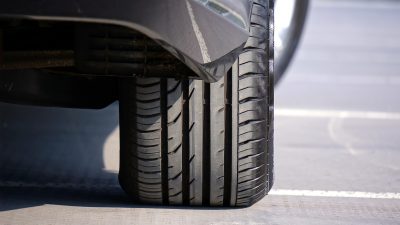
Tyres are often overlooked, but they’re one of the most critical components of your vehicle. They’re the only part of your car in contact with the road – so keeping them in good condition is vital.
Check your tyre pressure regularly
Maintaining the correct tyre pressure is essential for safety, fuel efficiency and tyre longevity. Under-inflated tyres can cause poor handling and increase the risk of blowouts, while over-inflated tyres wear unevenly and reduce grip. Check your pressure at least once a fortnight and before long trips – always refer to your vehicle’s recommended PSI (often found inside the driver’s door or in the owner’s manual).
 SMART DRIVING = SAFER ROADS
Even the best-maintained car can’t protect against poor driving habits. Here are some behaviour-based safety tips every driver should practise:
Keep a safe following distance
Tailgating is dangerous. In dry conditions, maintain at least a three car length gap between you and the car in front. Double that in wet or foggy weather.
Stay off the phone
Even hands-free calls can be distracting. Focus on the road and keep mobile use for emergencies only.
Drive to conditions
Slow down in rain, mist or heavy traffic – even if the speed limit says otherwise. Always drive according to conditions, not just the posted signs.
Take breaks on long trips
Fatigue is a hidden danger. Take a break every two hours or so, and don’t push through if you feel drowsy.
WET WEATHER DRIVING – DON’T TAKE RISKS
Rainy roads are slippery, and accidents are more common in wet weather. Reduce speed, increase following distance and avoid hard braking.
Watch for hydroplaning – when tyres lose contact with the road surface due to water build-up. If it happens, ease off the accelerator and steer gently – don’t brake or turn sharply.