Education is expensive, but preparation pays. Smart saving, early planning and everyday life lessons give children the skills, confidence and opportunities to shape their future with freedom.
As the school year begins, many parents are already feeling the financial pressure. Beyond uniforms, stationery and fees, the real cost of education runs far deeper, rising every year and requiring thoughtful planning to give children the best possible start.
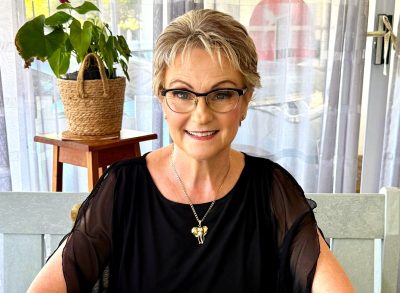
Local financial planner Brigid McCleary of Designed Wealth believes education is one of the most meaningful investments a parent can make. “The true value of education lies in who your child becomes, not in what you buy for them today. Our role is to equip them with skills, resilience and confidence for the future,” she says.
That foundation is built long before a child enters a classroom. Reading together, listening without judgement and encouraging independent thinking all help develop emotional strength and curiosity. “Confidence grows through practice,” Brigid explains. “Children who aren’t encouraged to make small choices early on often struggle to make bigger ones later in life.”
Alongside emotional development, financial preparation is essential. Education costs in South Africa continue to rise faster than inflation. Putting one child through public school can cost around R655 000, excluding extras, while university fees can range from R300 000 to more than R600 000 for a full qualification.
“These aren’t scare tactics – they’re today’s reality,” says Brigid. “When parents don’t plan, children often pay the price, limiting their choices or entering adulthood burdened by debt.”
The good news is that parents do have options – and time is their greatest ally. From education policies and tax-free savings accounts to unit trusts, there is no single solution, but there is a suitable strategy for every family. “Starting early matters more than starting big,” Brigid adds. “Even small, consistent contributions can grow into meaningful opportunities.”
Children don’t need perfection or the latest gadgets. What they do need are parents willing to plan ahead. “A future is built quietly and consistently,” says Brigid. “The best gift you can give your child is preparation.”
 Brigid’s top five smart education planning tips
Start small, start now
You do not need a large lump sum to begin. Even modest monthly contributions can grow significantly over time when started early.
Think beyond school fees
Remember to plan for uniforms, transport, extracurricular activities, stationery and tertiary education costs. These extras often add up faster than expected.
Match savings to your income and tax profile
Different savings options suit different households. A financial adviser can help you choose between education policies, tax-free savings accounts or unit trusts based on your circumstances.
Review your plan regularly
As your income changes and your child grows, your education plan should evolve too. A quick annual check-in can keep your goals on track.
Build life skills alongside savings
Encouraging decision-making, curiosity and confidence at home costs nothing but adds lifelong value to your child’s education journey.