
Green up your indoor space with plants that are safe for your cat.
As living spaces get closer together in lifestyle estates and complexes, more cat owners are keeping their pets indoors or with access to catios.
The reasons vary. Mostly it is concern for the cat’s safety, but also to prevent wandering cats becoming a nuisance to the neighbours, or in compliance with estate regulations.
One aspect of creating a cat-friendly environment is to include cat-safe plants they can investigate, play with or nibble on without dire effects. For instance, Bamboo palms and other large palms planted in large pots can also accommodate a sleeping cat!
The bonus for the cat owner is that indoor plants beautify the home and improve its air quality, which is important when animals are kept indoors.
These cat friendly plants don’t need much attention, giving you more time with your pets.
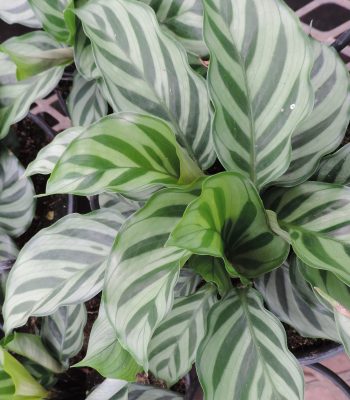
All calathea are regarded as no-toxic for cats, with the additional benefit of beautiful and unusual foliage that has air purifying properties.
Calathea ‘Freddie’ is one of the most popular calathea varieties for its lush, boldly patterned leaves. Like other prayer plants it closes its leaves at night. It likes a warm, humid room and medium to bright indirect light. Putting the plant pot on a water-filled pebble tray will meet its humidity needs or just group it with other plants to create a moist micro-climate.
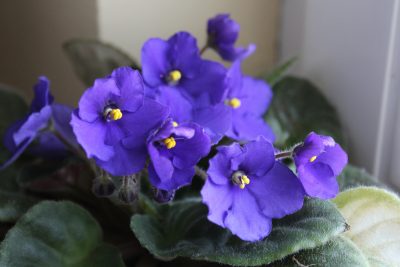
Too much love kills African violets! In other words, don’t over water them. Rather place the pot in tepid water and let it stand for 30 minutes to absorb the water, then allow to drain. Feed with a violet plant food once or twice a month. That’s really all the care they need to flower almost all year round.
For a well-balanced plant, turn the pot once a week so that all the leaves receive bright light and cut off dead flowers to encourage more flowers.
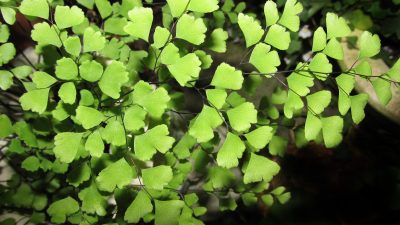
What cat could resist a gentle nibble of the soft lacy leaves of the Maidenhair fern? This fern is particularly beautiful in a container. As it grows, it fills out the container and its fronds cascade over the edge. it needs constant moisture, regular misting and should not be allowed dry out. It likes bright light, even filtered morning sun but not direct sunlight.
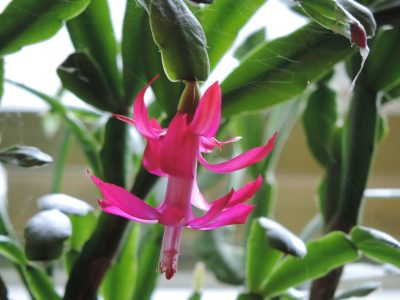
The Schlumberger Zygo Cactus, also known as the Christmas cactus, is a flowering succulent that is unlike most other cactus plants. It has fleshy leaves and vibrant, cascading blooms and needs very little care if it receives bright indirect light, a warm, humid room and plenty of water while flowering and growing. Cut back after flowering. Its unusual foliage will be a feature until it flowers again.
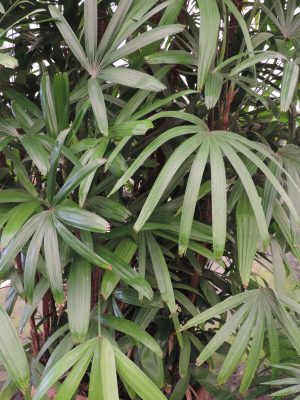
Bamboo (Areca) Kentia and Parlour (Chamaedorea) palms are all non-toxic for cats, who love to play with their graceful fronds. The Kentia palm is regarded as one of the safest indoor palms for homes with pets. Chewing on the leaves is not a problem, but if they take in too much of the fibrous leaves it may cause a mild diarrhoea or vomiting.
Kentia Palms are slow growing, like bright indirect light but will adapt to low light and need very little care beyond weekly watering and an occasional drench with liquid fertiliser in spring and summer. Wipe or spray the leaves if they get dusty.
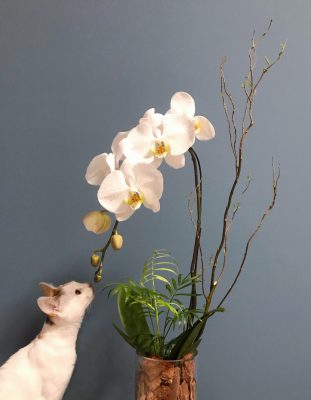
Phalaenopsis Orchids are the epitome of elegance and surprisingly, they are safe for cats. Although they look fragile, the stems are quite resilient and wont snap when receiving attention from a curious cat. When buying an orchid, make sure there are still plenty of unopened buds, as this will give you more flowers for longer. Orchids need very little water. Drench thoroughly and drain once a week or every two weeks. It will flower for up to four months. Place in bright indirect light (no sunlight).
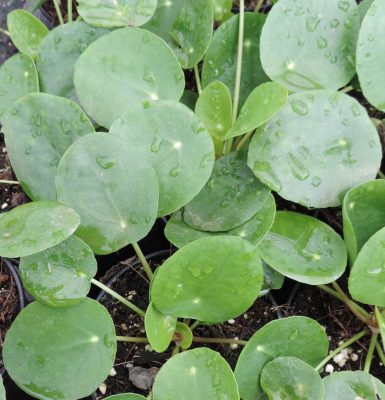
Pilea peperomoides (Chinese money plant) is a fuss-free houseplant that grows quickly, with large, bright green nasturtium-like leaves. It grows upright to about 30cm, with the stems arching gracefully as it grows.
Plants need medium to bright indirect light, high humidity and constant temperatures. The soil should not dry out completely or become waterlogged. Rotate the plant once a week to keep its growth even. New plants are created continuously from the base of the plant.
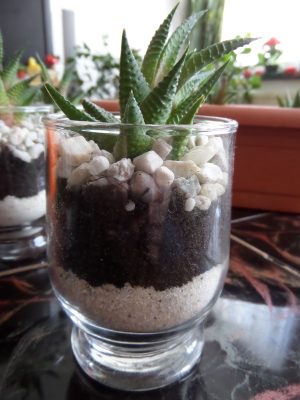
Decorative succulents like Haworthia (also known as the Zebra plant) and Echeveria (Mexican rock take up very little table space and also do well on an enclosed patio. Cats enjoy the spiky leaves of the Zebra plant and use them as a form of ‘toothpick’. As indoor plants Haworthia need bright, indirect light and minimal watering. They can even go without water for several weeks. Plants don’t need pruning but remove offsets (baby plants) that can be planted out as new plants.
Content by www.lvgplant.co.za
Article and images by Alice Coetzee.