
It’s time to sow Pak choi and other tangy greens for flavouring Asian inspired stir fries, soups and curries.
For healthy eating it’s hard to beat Asian food. It’s all about fresh vegetables, lean meat or fish, and nutritious grains. The flavours may be outside our comfort zones, but for adventurous cooks there is much to discover.
Traditional Ingredients like noodles, rice, and dumplings as well as spices and sauces are becoming more available, but seasonal vegetables that grow In the cooler months are not always available .
Pak choi, Chinese cabbage, mustard greens, spring onions and sugar snap peas are ideal for growing in autumn and winter. Although coriander likes warmer weather, it can be grown as a micro green in seed trays in warm sheltered spots.
In the Lowveld and KwaZulu-Natal its prime time for growing chillies and Thai basil that adds the heat to Asian cuisine.
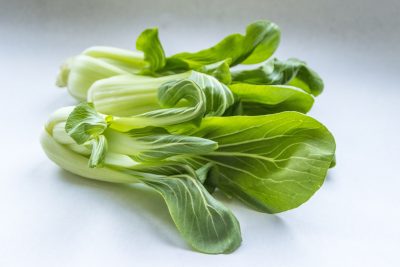
Pak choi has soupspoon like leaves that are crisp, tender and with a slight mustard tang while the broad white stems are crunchy and slightly sweet. This easy to grow, versatile vegetable is the hero veggie in many Asian dishes. The leaves and stems can be stir fried, roasted, steamed, boiled, or chopped and eaten fresh.
How to grow:
Seed can be started in seed trays and transplanted when seedlings are large enough to handle. Germination is within 7 days and baby leaves can be harvested within 30 days, mature leaves within 60 days. Pick the outer individual leaves or harvest the whole plant by cutting it at the base and it will resprout.
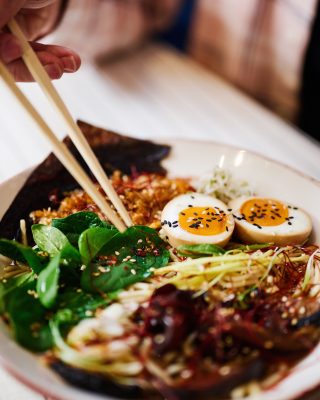
A one-dish meal that combines texture, colour and flavour, is Miso soup with ramen noodles, Pak choi and poached egg.
Start by cooking the ramen noodles in 3 cups of boiling water according to package directions. Just before the noodles are done, take 3 tbs of water from the pot and mix it with 2 tablespoons of red miso. Then add the miso to the noodles together with sesame oil, seasoning, and Pak choi. Make a dent in the noodles and break the egg into the noodles and spoon some of the soup water. Once everything is cooked, move everything to a bowl and top with spring onions, chilli oil and sesame seeds.
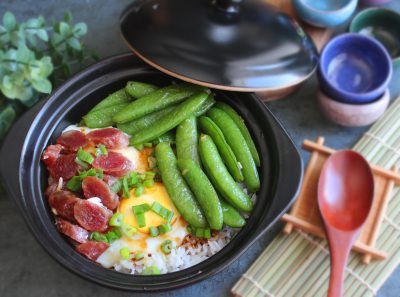
Sugar snap peas are a cross between a garden pea and mangetout. Their pods are plump and round, like garden peas. They are a staple of Asian food because the pods can be eaten when they start to swell or they can be left to fill out and shelled like normal peas. They are sweeter than garden peas.
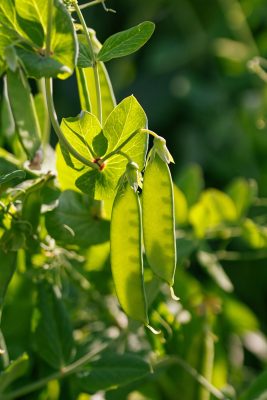
To grow: Sugar Charm’ sugar snap peas are an ‘eat all’ bush variety of pea which produces a cascade of 8cm pods. To speed up germination soak the seed in warm water overnight but sow the next day or they will wither and die.
Plant in fertile soil that drains well in a sunny position. Water regularly, before noon if possible so that the leaves can dry out. Protect young seedlings overnight with frost cloth as well as larger plants if frost is predicted. Remove the frost cloth in the morning. Expect a bumper crop from 60 days.
To eat
In Asian dishes sugar snap peas are often added fresh to provide a crunchy texture. They are used in salads, stir fries and as a side dish, tossed in toasted sesame oil and garnished with sesame seeds.
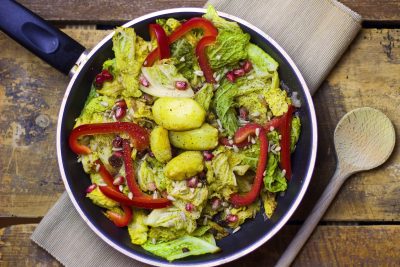
Chinese cabbage ‘Michilli’ grows like a Cos lettuce but has a fine delicate sweetish flavour with the crunchiness of lettuce The tangy leaves are darker green on the outside and paler towards the heart. It is delicious raw in salads, as slaw and is a quick stir fry.
To grow: Chinese cabbage ‘Michilli’ takes only 55 days from germination to harvesting the leaves or 100 days for the whole head. Like all cabbage it likes full sun, and fertile soil that drains well. Its upright growth takes up less room than larger head cabbages.
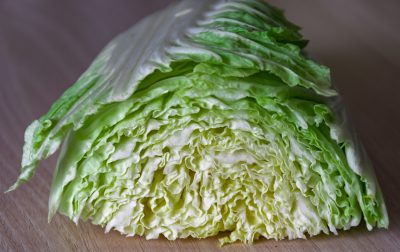
Try this: Use the leaves as a wrap for Chinese dumplings, or make a zesty salad with fresh chillies, black peppercorns, garlic and soy sauce.
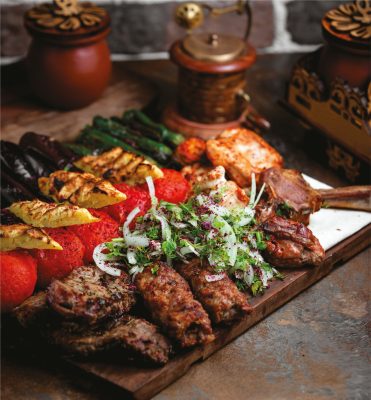
Mustard greens also known as gai choy, are widely used in Asian cooking, especially in Chinese dishes. The peppery bright green ruffled leaves provide a crunchy, freshness as a garnish for meat dishes and mellow in flavour when cooked. Use the leaves to add flavour to sauces for stir fries, sushi, soups and stews.
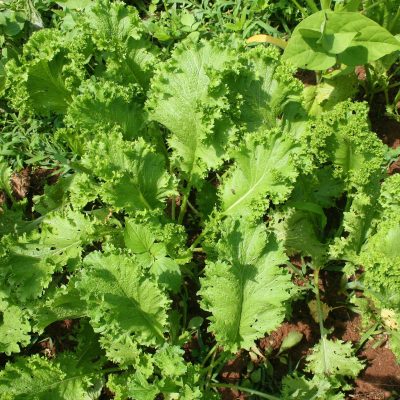
How to grow: This quick crop grows best in full sun in fertile soil that drains well and can also be grown in pots. the first leaves ready for picking within three weeks Pick the outer leaves, like spinach or as a cut and come again vegetabl
Stir fry tips
- Blanch the leaves before using to remove any bitterness.
- Stir fry other ingredients first and only add the blanched leaves at the end of cooking and stir fry for a minute.
- Season with soy sauce, sesame oil and a sprinkling of sesame seeds before serving.
Details: www.kirchhofs.co.za or www.rawliving.co.za or buy seed online from www.gropak.co.za
Article and images by Alice Coetzee.