Installing solar panels can be a smart way to reduce your dependence on the electricity grid and manage rising energy costs. However, before you start comparing panels and inverters, there is another important part of your property that deserves attention: the roof.
Solar panels can last for 20 years or longer. Ideally, the tiled roof beneath them should stay secure and watertight for the same period. Checking the roof beforehand can help you avoid expensive and inconvenient repairs later.
Start with the condition of your roof tiles
A tiled roof may appear to be in good condition from ground level. Once inspected more closely, however, it can reveal cracked or loose tiles that need roof tile repair.
According to Connoisseur Roofs, even a small crack can allow water to enter during heavy rain. When solar panels are installed above damaged tiles, finding and repairing the source of a leak becomes more complicated. Some or all of the panels might need to be temporarily removed before a roofer can reach the problem area.
Arrange for any damaged tiles to be replaced and loose tiles to be secured before installation begins. It’s also useful to keep a few matching spare tiles if your roof is older and its exact tile profile is no longer widely available.
Check what is happening underneath
The timber structure beneath the tiles must also be able to safely support the solar system. Solar panels are normally attached to mounting rails, which are secured to the roof structure. If the rafters or trusses are weakened by age or rot, they’ll likely need attention before installation.
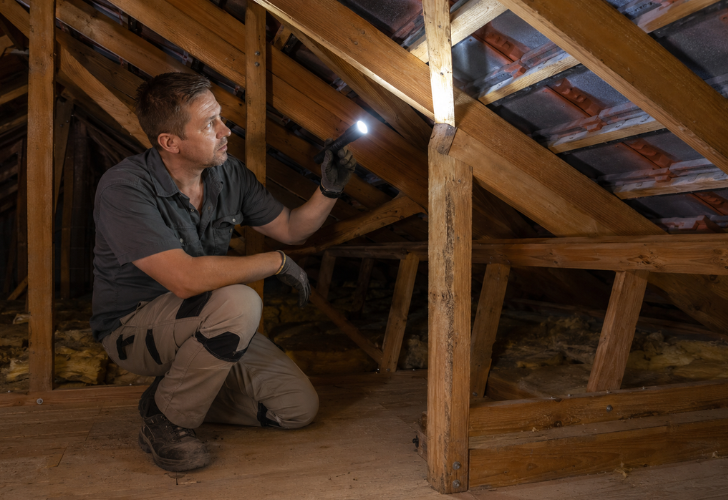
A professional roof inspection can identify structural concerns that are easy to miss from outside. The inspection team can also check the condition of the waterproofing membrane beneath the tiles, where one is present.
Repair existing leaks first
Solar panels do not cause every leak that appears after installation. In some cases, the roof was already leaking, but the problem only became noticeable later.
Look for warning signs inside your home, including damp patches or musty smells in the ceiling space. These signs should be investigated before the solar team arrives.
Any necessary roof tile repair should ideally be completed first. This gives the solar installers a sound, dry surface to work with and lessens the risk of future disruption.
Plan the mounting points carefully
Tiled roofs require the appropriate mounting equipment and installation techniques. Installers should avoid applying direct pressure to fragile tiles or drilling through them unnecessarily. Mounting brackets must be properly positioned and sealed to prevent water from entering around fixing points.
Ask your installer how the system will be attached and whether the roof’s waterproofing will be protected. You should also confirm who will be responsible if tiles are damaged during the work.
A little preparation can prevent higher costs
If your tiled roof needs major repairs in the next few years, it’s usually better to complete the repairs before installing solar panels. Removing and reinstalling a solar system later adds time and cost.
First, confirm that your solar installer is qualified and reputable. Have them check your roof in advance to protect both investments. A roof that is secure and free of leaks provides your solar system with the best possible foundation for years of reliable use.