Five easy ways to prepare your garden now for a thriving Spring ecosystem.
Picture-perfect gardens can sometimes be green deserts. They may have manicured lawns and colourful flowers, but beneath the surface, the soil is struggling, invasive plants are taking over, and there’s little shelter or food for birds, pollinators and other small creatures that make a garden feel alive.
With Spring just around the corner, Gardena is shining a light on the hidden world beneath the surface and how a few simple changes can help restore balance.
“Biodiversity isn’t limited to nature reserves,” says Marketing Manager Fathima Mathen. “It belongs in your garden too, no matter the size. When you focus on healthy soil, a mix of plants and thoughtful care, you create a garden that becomes more resilient, self-sustaining and full of life.”
The good news is that it doesn’t require a complete overhaul. Late Winter is the ideal time to improve your soil, plan your planting and create welcoming spaces for wildlife before Spring arrives. Here, Fathima shares a few practical tips.
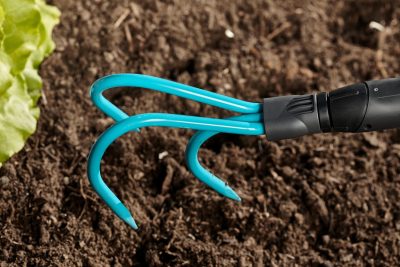
Start with the soil
Adding compost, mulch and organic material improves soil structure, helps retain moisture and naturally boosts nutrients.
Healthy soil is also teeming with microorganisms, which are the foundation on which everything else depends. Without them, even the most carefully chosen plants will struggle. And a cultivator, soil rake or hand tool makes it easier to loosen, prepare and care for the soil without overworking it.
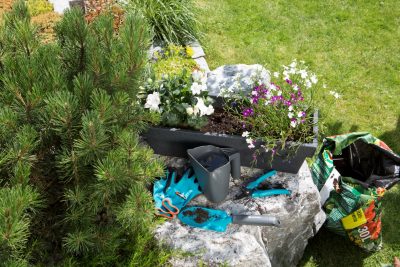 Choose plants that belong
Opting for plants indigenous to your region is one of the most beneficial things you can do for your garden’s living ecosystem. Local pollinators thrive among native plants, with some even depending on them entirely for survival.
But supporting pollinators isn’t just about what you plant; it’s how those plants provide for them across the seasons. Planning now for a mix of flowering plants, shrubs and ground cover helps ensure something is always in bloom from Spring onwards, giving pollinators a reason to keep coming back. The more variety you plant, the more visitors you will attract.
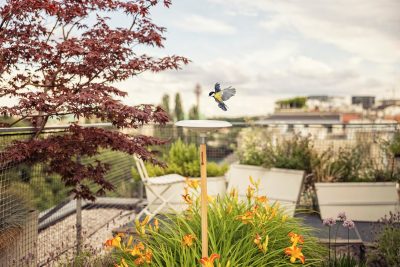
Give them a reason to visit
A pollinator-friendly environment does not need much of an invitation. A bird bath or small water feature gives birds, butterflies and bees a place to drink and cool down. Dense shrubs, hedges and small rockeries create pockets of warmth, shade and shelter that different creatures depend on. Together, these simple additions turn your garden into a place they will keep coming back to.
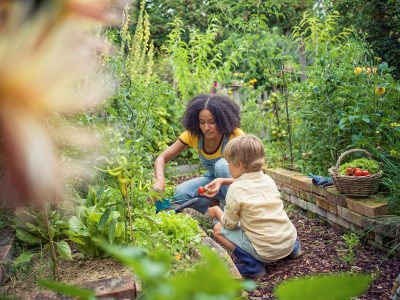
Leave some room for nature
Allowing self-seeded plants and natural ground cover to establish in less-visited corners of your garden quietly adds to its biodiversity in ways that cost nothing and require very little effort. Light maintenance tools also make it easy to keep pathways and flower beds neat while nature takes care of the rest.
Go easy on the chemicals
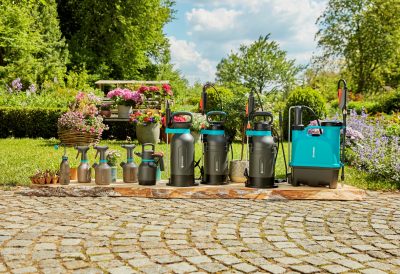
Pesticides and herbicides do not discriminate between the harmful and the helpful. Overuse can quietly damage the very soil organisms and beneficial insects your garden depends on. When treatment is necessary, apply sparingly, explore organic alternatives where you can, and use pressure sprayers to ensure precision and avoid waste.
“A mini ecosystem does not need to be perfect. It just needs to buzz with diversity,” says Fathima. “By making a few considered adjustments, your garden can become a place where plants, birds, bees and other small visitors can flourish, gradually beginning to care for itself. There’s also a quiet satisfaction that comes from knowing your garden is doing more than just looking good.”
Now is the ideal time to lay the foundations for a healthier, more resilient garden that will reward you with colour, birdsong and buzzing pollinators in the months ahead.
For more gardening inspiration, visit gardena.com/za