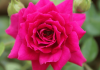
In these anxious times, use leafy indoor plants to create a soothing, meditative space.
Studies have shown that indoor plants can energise, reduce stress and lower blood pressure. They have a quiet presence yet bring life and positive energy into a room, as borne out by the ancient practice of Feng shui.
Incorporating the right indoor plants into a contemplative corner can promote a feeling of serenity. Choosing plants for their symbolism, the texture and beauty of their leaves, or even the memories they evoke, can make your space intensely personal and meaningful.
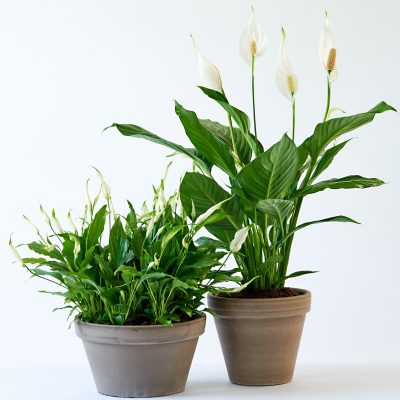
Peace Lily (Spathiphyllum)
This plant symbolises the peace we all long for. It has long been associated with peace because of its white, flag-like spathes that resemble the universal white flag of peace. The lush green leaves are also part of the plant’s beauty.
Spathiphyllum vary in size from compact tabletop plants to large pot specimens with striking textured leaves. This undemanding plant needs medium to bright indirect light and lightly moist soil. If the leaves begin to droop they need water and quickly revive. Spathiphyllum is an effective air purifier too, filtering out certain harmful household toxins.
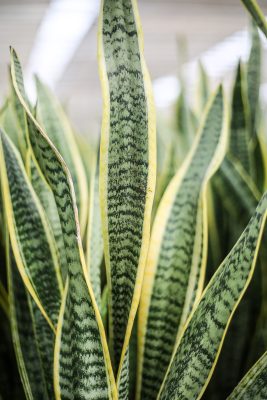
Sansevieria
The upright, sword-like leaves have a strong protective energy, yet calming presence. It is a plant that exemplifies endurance and resilience, as it is adaptable to all growing conditions, from low, medium to bright light and only needs minimal watering.
‘Golden Futura’ is the most common indoor variety with its deep green leaves edged with a golden margin. Sansevieria is also a natural air purifier.
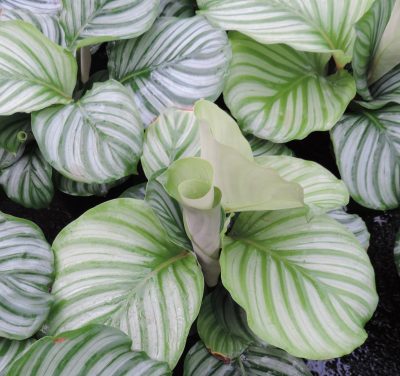
Calathea orbifolia
In Feng shui, circles represent harmony, wholeness, and infinity, because circles have no beginning or end. Although the leaves of Calathea orbifolia are not strictly round, the enormous leaves have a rounded organic shape that conveys a sense of soft lushness.
The new leaves look like trumpets before they unfurl into cream and green striped leaves. Depending on the size of the pot it can grow into a sizeable plant, about 1m high and with 30cm wide leaves.
This tropical plant needs a warm, humid room and medium to bright indirect light. Keep the soil lightly moist but not soggy. If the leaf tips or edges go brown, use distilled or filtered water.
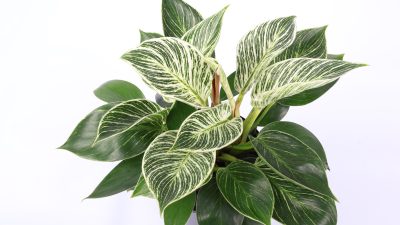
Philodendron ‘Birkin’
Philodendron ‘Birkin’ doesn’t have any symbolic significance but its’ striking white striped leaves are so appealing, inviting closer contemplation. It needs bright indirect light to bring out the variegation in its leaves but it can tolerate low light. It is compact and easy to care for and should only be watered when the top 10cm of soil feels dry.
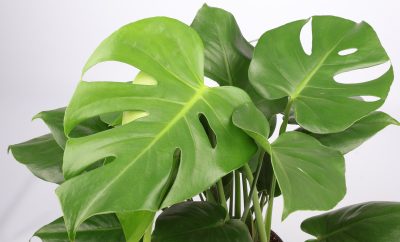
Delicious monster (Monstera)
If only all the monsters that haunt us were, in reality, as benign as this giant plant tropical plant.
It has various symbolic meanings across cultures. In Eastern traditions it symbolises respect for elders and in other cultures spiritual peace and protection.
Also, its rapid growth and the way the leaves split and change as they grow is associated with growth and renewal.
This undemanding, easy to care for plant likes bright indirect light but will tolerate medium light. It needs a warm, humid environment, especially in winter.
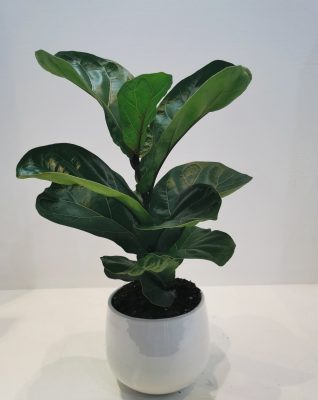
Ficus lyrata ‘Bambino’
There is much to recommend the Fiddle Leaf Fig ( Ficus lyrata). It’s large broad leaves are associated with openness and clarity while its upright growth represents perseverance and ambition. According to Feng Shui, the Fiddle Leaf Fig attracts positive energy.
It can grow into a tall specimen but if it grows too high, cut off the top branches. There is also a dwarf variety, Ficus lyrata ‘Bambino’ that is easier to accommodate. The best place for this fig is a warm, bright room, free of drafts and away from cold windows in winter. Keep the soil moist but not soggy and don’t let the pot stand in water.
Content by: www.lvgplant.co.za
Article and images by Alice Coetzee.